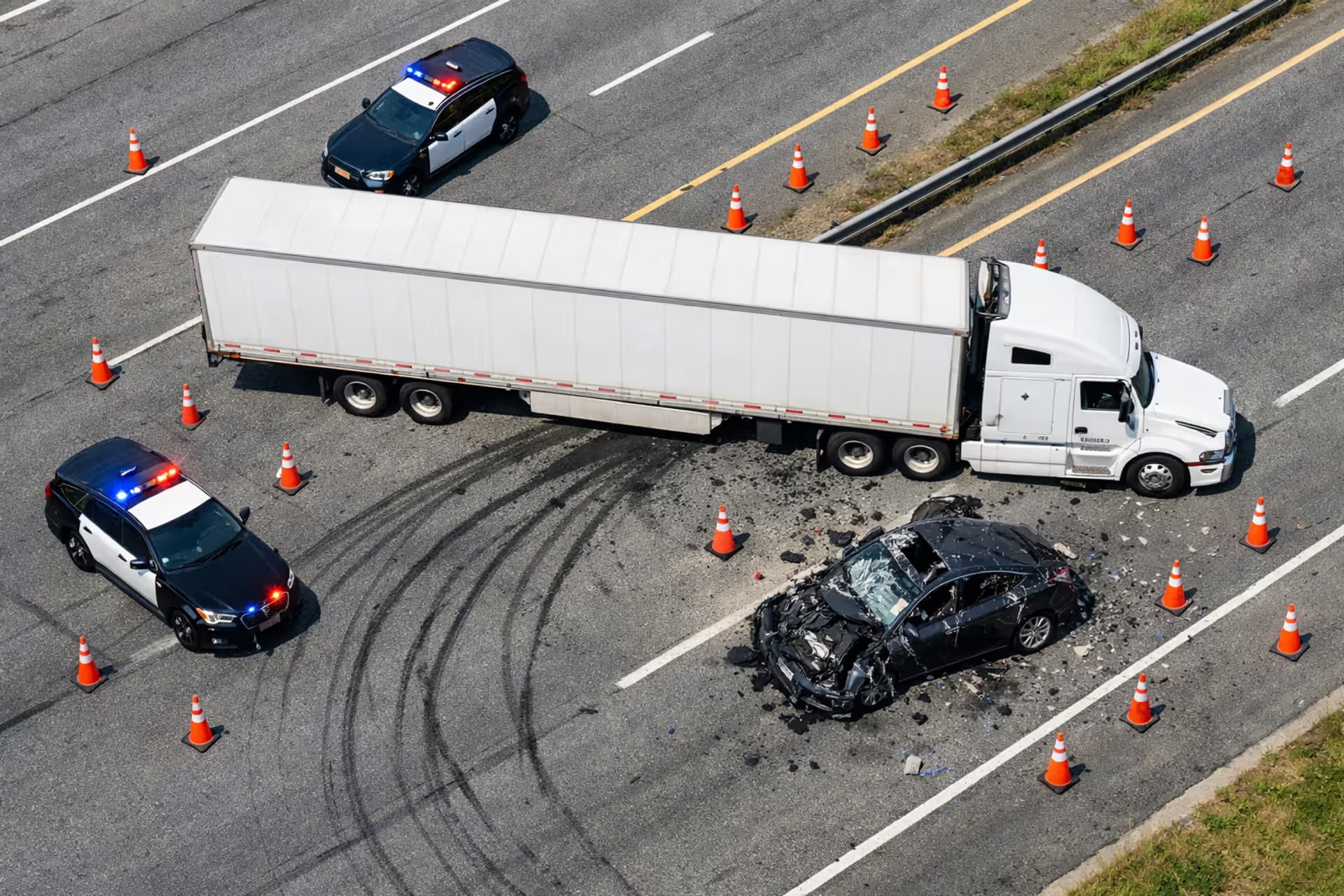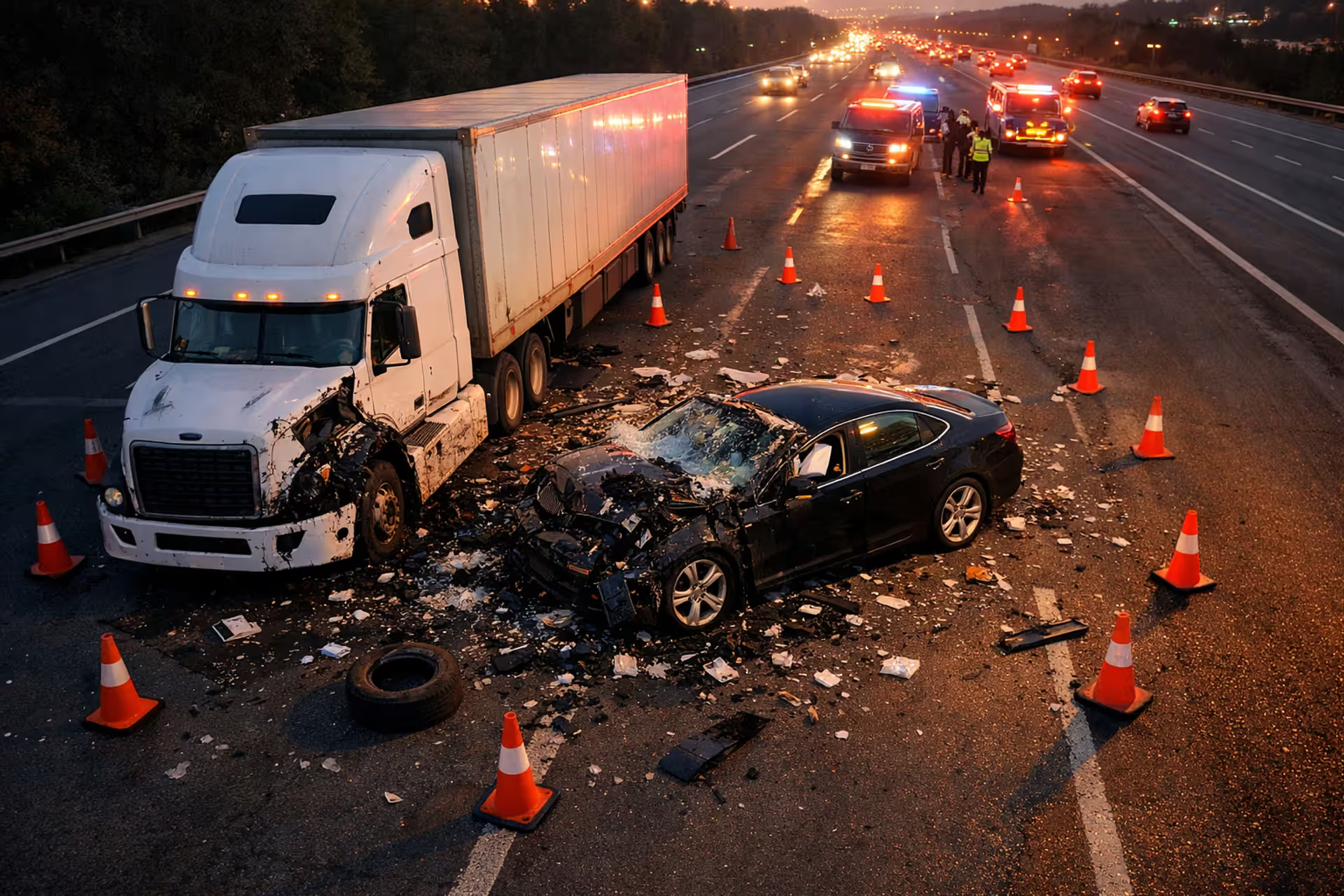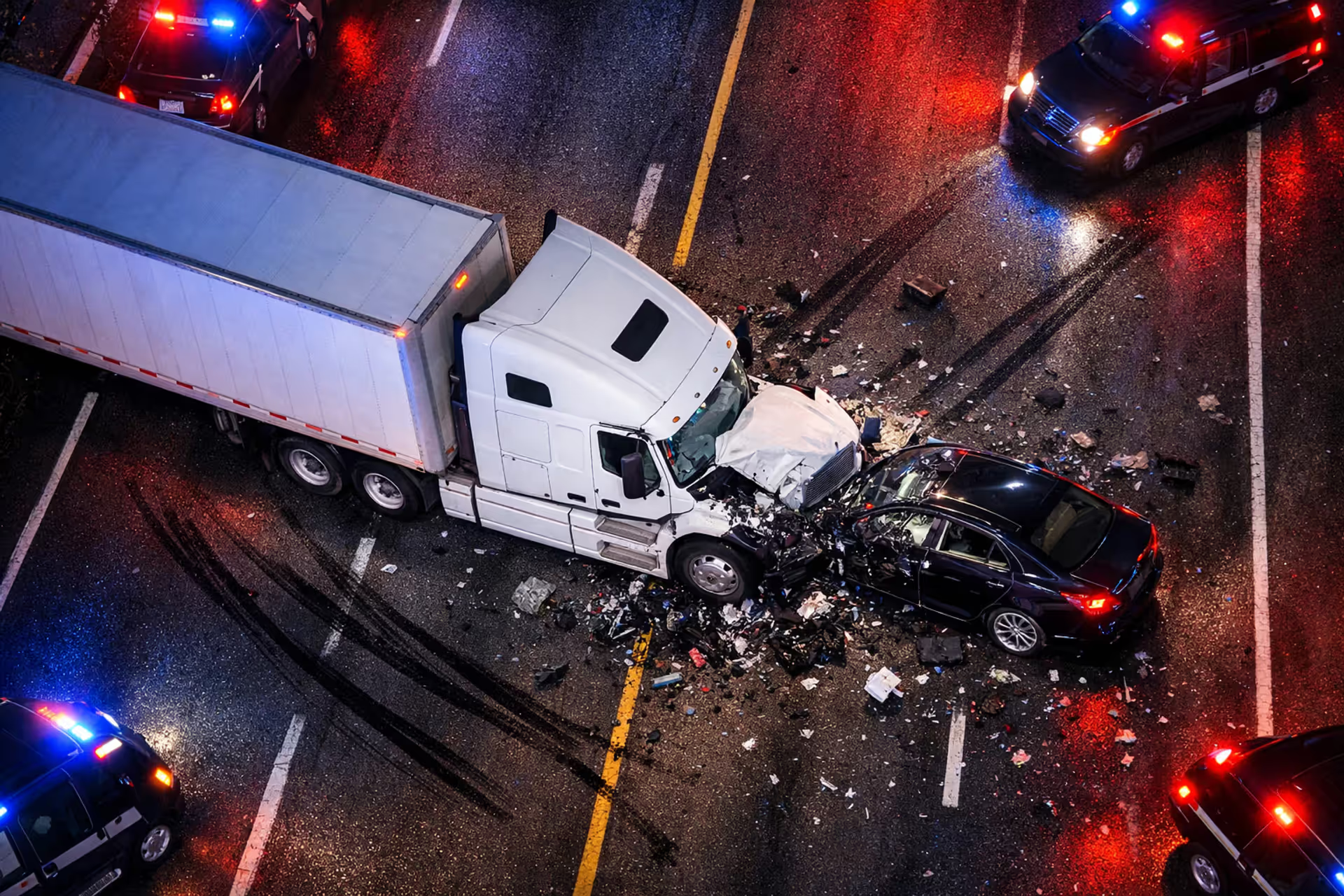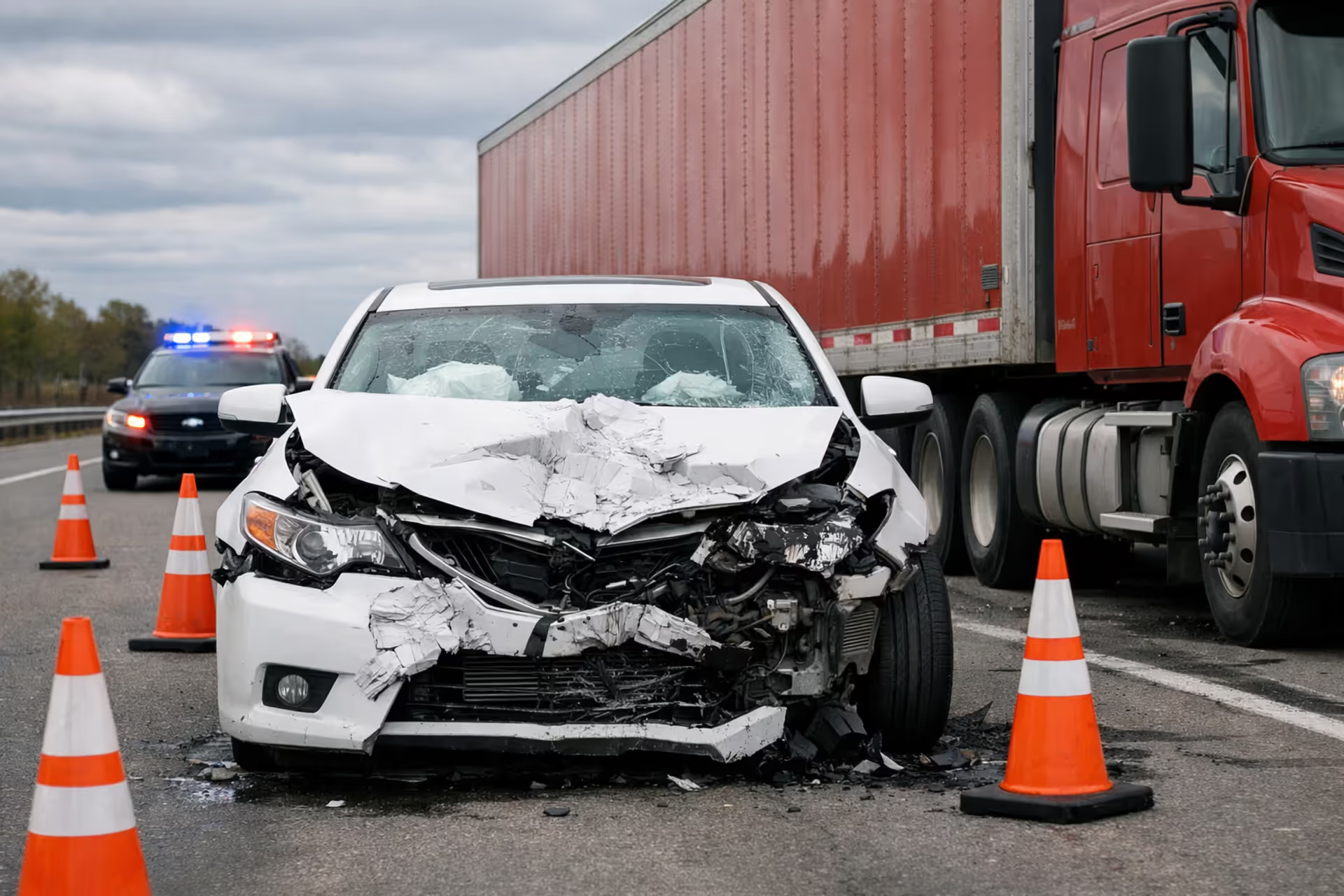
Crashed white sedan next to a red semi-truck on a highway after a collision with emergency lights in the background
Truck Accident Settlements and Verdicts: What Your Case May Be Worth

Content
Commercial truck accidents often result in life-altering injuries and complex legal battles. Unlike fender-benders between passenger cars, collisions involving 18-wheelers, semi-trucks, and other large commercial vehicles typically produce substantially higher compensation amounts—sometimes reaching into the millions of dollars. Understanding what drives these numbers helps injured victims and their families set realistic expectations and make informed decisions about their legal options.
The difference between a $50,000 settlement and a $5 million verdict often comes down to specific case factors: the quality of evidence, the severity of permanent injuries, the defendant's conduct, and whether corporate negligence played a role. This guide examines real case outcomes, explains the variables that determine compensation, and outlines what to expect if you're pursuing a claim after a truck crash.
How Truck Crash Compensation Differs from Regular Car Accidents
Truck accident cases operate in a fundamentally different legal and financial landscape than typical auto collision claims. The average passenger vehicle carries $100,000 to $300,000 in liability coverage. Commercial trucks, by contrast, must carry minimum insurance of $750,000 under federal law, with many carriers holding $1 million to $5 million policies. Some hazardous material haulers carry even higher limits.
Multiple parties often share liability in trucking cases. A single crash might involve the driver, the trucking company, the truck owner (if leased), the cargo loading company, the maintenance contractor, and even the truck or parts manufacturer. Each entity brings its own insurance policy and assets to the table. This web of responsibility creates more potential sources of recovery but also more complex litigation.
Federal Motor Carrier Safety Regulations (FMCSRs) add another layer absent in regular car accidents. Trucking companies must comply with hours-of-service rules, maintain detailed logs, perform regular vehicle inspections, and follow strict hiring and training protocols. Violations of these regulations can establish negligence perse, strengthening your case. Conversely, compliance records can become powerful evidence in settlement negotiations.
The physics of truck crashes also matters. An 80,000-pound semi-truck colliding with a 3,000-pound sedan creates catastrophic forces. Traumatic brain injuries, spinal cord damage, amputations, and severe burns occur at much higher rates than in car-on-car accidents. These catastrophic injuries require lifetime medical care, extensive rehabilitation, and permanent lifestyle modifications—all of which dramatically increase economic damages.
Commercial truck verdicts reflect these realities. Juries understand that large corporations with substantial insurance should compensate victims fairly when corporate cost-cutting or driver negligence causes devastating harm. This dynamic often produces higher jury awards than similar injuries in non-commercial contexts.

Author: Rebecca Thornton;
Source: capeverde-vip.com
Factors That Determine Truck Injury Settlement Amounts
No two truck accident cases produce identical outcomes. Several core variables interact to determine whether a case settles for $200,000 or $2 million.
Severity of Injuries and Medical Costs
Economic damages form the foundation of any settlement calculation. Past medical expenses—emergency transport, surgeries, hospital stays, rehabilitation—create a documented baseline. Future medical costs carry even more weight in catastrophic injury cases. A 35-year-old who suffers a C5 spinal cord injury may require $4 million in lifetime care, including attendant services, adaptive equipment, home modifications, and ongoing treatment.
Permanent disabilities trigger higher compensation because they affect earning capacity and quality of life for decades. A commercial driver who loses a leg cannot return to their profession. A software engineer with a traumatic brain injury may struggle with concentration and memory, limiting career advancement. Vocational experts and economists calculate these losses, often adding millions to settlement demands.
Non-economic damages—pain, suffering, loss of enjoyment of life, emotional distress—typically scale with injury severity. While no formula universally applies, insurance adjusters and attorneys often use past medical costs as a multiplier starting point. Minor soft-tissue injuries might warrant a 1.5x to 3x multiplier, while permanent disfigurement or paralysis can justify 5x to 10x or higher, depending on jurisdiction and case facts.
Liability and Negligence Evidence
Clear liability accelerates settlements and increases amounts. When a truck driver runs a red light and T-bones your vehicle, with traffic camera footage and witness statements confirming the violation, the trucking company faces enormous trial risk. Defense attorneys recognize that juries rarely sympathize with corporations whose drivers flagrantly break traffic laws.
Evidence of Hours of Service violations—such as falsified logbooks showing the driver exceeded the 11-hour daily driving limit or worked without required rest breaks—strengthens negligence claims. Electronic logging device (ELD) data, which became mandatory in 2017, provides objective proof of driving hours and often contradicts paper logs.
Maintenance records revealing known brake defects, bald tires, or skipped inspections demonstrate corporate negligence. If the trucking company prioritized profits over safety by deferring repairs or pressuring drivers to meet unrealistic delivery schedules, punitive damages may enter the conversation. The threat of punitive damages—designed to punish egregious conduct—can push settlement offers significantly higher.

Author: Rebecca Thornton;
Source: capeverde-vip.com
Conversely, ambiguous liability reduces settlement value. If the truck driver claims you changed lanes suddenly or the accident occurred in heavy fog with limited visibility, the defense will argue comparative fault. Even strong cases settle for less when liability questions exist.
Insurance Policy Limits and Corporate Assets
Policy limits create practical ceilings in many cases. If the trucking company carries a $1 million policy and no substantial assets beyond trucks and equipment, collecting more than $1 million becomes difficult regardless of your damages. Experienced attorneys investigate all potential defendants and their coverage before advising on settlement strategy.
Large national carriers and Fortune 500 companies present different scenarios. These defendants can pay multi-million-dollar judgments from corporate assets if necessary. However, they also employ sophisticated legal teams and often fight cases aggressively to avoid setting precedents. The financial capacity to pay doesn't guarantee a higher settlement—it changes negotiation dynamics.
Underinsured motorist (UIM) coverage on your own auto policy can fill gaps when the at-fault truck is underinsured. If you carry $1 million in UIM coverage and the truck's policy is only $750,000, you can potentially recover up to $1.75 million total. Many victims overlook this coverage source.
Comparative Fault in Your State
State negligence laws dramatically affect outcomes. In contributory negligence states (Alabama, Maryland, North Carolina, Virginia, and Washington D.C.), any fault attributed to you—even 1%—bars recovery entirely. These harsh rules give insurance companies leverage to argue you contributed to the accident, hoping to escape liability completely.
Modified comparative fault states (most U.S. jurisdictions) allow recovery if you're less than 50% or 51% at fault, but your award is reduced by your fault percentage. If a jury awards $1 million but finds you 20% at fault for speeding, you receive $800,000. Defense attorneys exploit this by exaggerating plaintiff fault during negotiations.
Pure comparative fault states (California, Florida, New York, and a handful of others) permit recovery even if you're 99% at fault, with proportional reduction. These plaintiff-friendly rules generally support higher settlement values because defendants can't threaten complete forfeiture.
Commercial truck accident cases consistently yield higher settlements than passenger vehicle crashes due to the severity of injuries and the multiple layers of corporate liability involved. When you add federal regulation violations and corporate negligence to catastrophic injuries, you create the conditions for seven-figure compensation.
— Michael Rodriguez
Real Semi-Truck Legal Cases: Settlement and Verdict Examples by Injury Type
Actual case outcomes illustrate how injury severity and case facts translate into dollar amounts. The following examples, drawn from public records and legal databases, show the range of truck accident settlements and verdicts across different injury categories:
| Injury Type | Settlement/Verdict Amount | Year | State | Key Case Factor |
| Wrongful Death (multiple fatalities) | $27 million verdict | 2019 | Texas | Truck driver fell asleep after 18-hour shift; company ignored hours-of-service violations |
| Spinal Cord Injury (quadriplegia) | $8.5 million settlement | 2021 | California | Defective brakes documented in maintenance records; company continued operating truck |
| Traumatic Brain Injury (permanent cognitive impairment) | $6.2 million verdict | 2020 | Illinois | Driver texting at time of collision; electronic records proved distraction |
| Multiple Fractures with permanent disability | $3.1 million settlement | 2022 | Georgia | Improperly secured cargo shifted, causing truck to jackknife across highway |
| Severe Burns (2nd and 3rd degree, 40% body) | $4.7 million verdict | 2018 | Pennsylvania | Fuel tank rupture in rear-end collision; design defect alleged against manufacturer |
| Amputation (below-knee) | $2.8 million settlement | 2021 | Ohio | Trucking company failed to conduct required drug testing; driver tested positive post-accident |
| Wrongful Death (single fatality) | $1.9 million settlement | 2020 | Florida | Driver exceeded hours-of-service limits by 6 hours; fatigue cited as primary cause |
| Facial Disfigurement and PTSD | $1.3 million settlement | 2022 | Arizona | Truck ran red light at 55 mph; traffic camera provided clear liability evidence |
These cases share common threads: clear liability, serious permanent injuries, and often some form of regulatory violation or corporate negligence. The highest awards involve either multiple fatalities, permanent paralysis, or egregious defendant conduct that opens the door to punitive damages.
Conversely, cases settling for lower amounts typically involve disputed liability, less severe injuries, or policy limit constraints. A herniated disc with successful surgical repair might settle for $150,000 to $400,000 depending on lost wages and state venue. Soft-tissue injuries without permanent impairment rarely exceed $100,000 absent exceptional circumstances.
The Trucking Accident Lawsuit Process and Timeline
Understanding the litigation timeline helps set realistic expectations. Truck accident cases move through distinct phases, each with its own duration and purpose.
Initial Investigation and Claim Filing (1-3 months): Your attorney gathers evidence immediately—police reports, medical records, employment history, wage documentation. Crucially, they send spoliation letters to the trucking company demanding preservation of driver logs, ELD data, maintenance records, hiring files, and truck "black box" data. This evidence disappears quickly if not legally protected. An insurance claim goes to all potentially liable parties.
Insurance Negotiations (3-6 months): Many truck injury settlements resolve during this phase if liability is clear and injuries are well-documented. The insurance adjuster reviews your demand package—medical records, bills, wage loss documentation, expert opinions on future care needs. They make a counteroffer. Your attorney negotiates, often through multiple rounds. If the gap between demand and offer is too wide, the case moves to litigation.
Filing the Lawsuit (Month 6-8): When negotiations stall, your attorney files a complaint in court naming all defendants. The trucking company and other defendants have 20-30 days to respond. This formal filing often triggers renewed settlement discussions, as defendants now face litigation costs.
Discovery Phase (12-18 months): This is the longest phase. Both sides exchange documents, answer written questions (interrogatories), and take depositions—sworn testimony from parties and witnesses. Your attorney deposes the truck driver, the company's safety director, and maintenance personnel. Defendants depose you and your medical providers. Experts are retained—accident reconstructionists, medical specialists, economists, vocational evaluators. Discovery in truck cases is particularly extensive because of the multiple parties and complex regulatory issues.

Author: Rebecca Thornton;
Source: capeverde-vip.com
Mediation (Month 18-20): Courts often require mediation before trial. A neutral mediator facilitates settlement negotiations. Both sides present their case, and the mediator shuttles between rooms with offers and counteroffers. Roughly 70-80% of truck accident cases settle at or before mediation. The looming trial date and completed discovery give both sides clearer pictures of trial risk.
Trial (if necessary): Truck accident trials typically last one to three weeks. Jury selection, opening statements, witness testimony, expert presentations, closing arguments, and deliberation all take time. Verdicts can go either way—juries sometimes award more than settlement offers, but defense verdicts also occur. Post-trial motions and appeals can add months or years.
Total Timeline: Straightforward cases with clear liability and policy-limit settlements may resolve in 6-12 months. Complex cases involving multiple defendants, disputed liability, or catastrophic injuries requiring extensive medical documentation often take 2-4 years to reach resolution. Trials and appeals can extend this to 5+ years.
Patience is essential. Rushing to settle before reaching maximum medical improvement (MMI)—the point where your condition stabilizes—often leaves money on the table. Once you settle, you cannot reopen the claim if complications develop.
The single biggest mistake I see truck accident victims make is settling too early. Insurance companies know that a victim in financial distress will accept a fraction of what their case is truly worth. Patience and proper medical documentation are the two most powerful tools in any injured person’s arsenal — they consistently turn six-figure offers into seven-figure recoveries
— Robert J. Clifford
Common Mistakes That Reduce Your Truck Collision Claim Value
Even strong cases can be undermined by avoidable errors. Watch for these pitfalls:
Accepting Quick Settlement Offers: Insurance adjusters often contact victims within days, offering a few thousand dollars to "cover immediate expenses." These offers come before you know the full extent of your injuries. A back injury that seems minor initially may require surgery months later. Once you sign a release, you cannot seek additional compensation. Never accept a settlement before consulting an attorney and reaching MMI.
Gaps in Medical Treatment: Missing appointments or delaying recommended care creates ammunition for defense attorneys. They'll argue your injuries aren't serious if you went three months without seeing a doctor. Financial concerns cause many gaps—patients can't afford co-pays or fear medical debt. Communicate with your attorney; many medical providers work on liens, meaning they're paid from your settlement rather than upfront.
Social Media Oversharing: Defense attorneys routinely search plaintiffs' Facebook, Instagram, and TikTok accounts. That photo of you standing at your daughter's wedding gets captioned "Plaintiff claims he can't stand for more than 10 minutes." That vacation post becomes "Plaintiff claims severe emotional distress but vacationed in Hawaii." Set all accounts to private and avoid posting anything about your activities, health, or the accident. Better yet, stay off social media entirely until your case resolves.
Giving Recorded Statements Without Counsel: The trucking company's insurance adjuster will call asking for "your side of the story." They sound sympathetic. They're not. They're trained to elicit statements that undermine your claim. "I'm fine" (said politely in shock) becomes "Plaintiff stated he was fine at the scene." Politely decline and refer them to your attorney.
Missing Filing Deadlines: Every state has a statute of limitations—typically two to four years from the accident date—to file a lawsuit. Miss this deadline by even one day, and your case is permanently barred regardless of merit. Some exceptions exist (discovery rule for injuries not immediately apparent, tolling for minors), but don't rely on them. Consult an attorney within weeks of your accident.
Exaggerating Injuries: Honesty is paramount. Exaggerating symptoms or limitations destroys credibility. If surveillance video shows you lifting heavy grocery bags after claiming you can't lift more than five pounds, your entire case becomes suspect. Juries and adjusters stop believing anything you say. Describe your real limitations accurately, and trust that legitimate injuries speak for themselves.

Author: Rebecca Thornton;
Source: capeverde-vip.com
Failing to Follow Doctor's Orders: If your orthopedic surgeon recommends physical therapy twice weekly and you go once a month, the defense argues you didn't mitigate damages. Following medical advice demonstrates you're taking your recovery seriously and establishes the treatment's necessity.
When to Expect a Settlement vs. Going to Trial for Commercial Truck Verdicts
Roughly 95% of personal injury cases settle before trial, but truck accident cases go to trial more frequently than typical auto claims—perhaps 10-15% of the time. Understanding what pushes cases to trial helps you anticipate your path.
Cases Likely to Settle: - Clear liability with strong evidence (dashcam footage, traffic violations, witness statements) - Injuries well-documented by consistent medical treatment - Reasonable settlement demand within or near policy limits - Defendant's concern about punitive damages exposure - Both sides have similar case value assessments after discovery
Cases Likely to Go to Trial: - Disputed liability where each side believes they'll prevail - Plaintiff's damages far exceed policy limits, making settlement inadequate - Defendant believes plaintiff is exaggerating injuries or malingering - Defendant wants to "send a message" to discourage future claims - Significant disagreement on case value (plaintiff demands $5 million, defendant offers $500,000)
Trucking companies spend millions on legal defense not because they care about one case, but because every settlement sets a benchmark. When victims have strong evidence of regulatory violations and hire attorneys who understand federal motor carrier law, the power dynamic shifts entirely — and that is when real justice becomes possible
— Lisa A. Banks
Pros of Settling: - Certainty—you know exactly what you'll receive - Speed—you get compensation months or years sooner - Lower attorney fees and costs (trials are expensive) - No risk of defense verdict or low jury award - Privacy—settlements typically include confidentiality clauses - Emotional closure—you avoid the stress of testifying and waiting for a verdict
Cons of Settling: - Potential to leave money on the table if a jury would have awarded more - No public accountability for defendant's conduct - Cannot reopen claim if future complications arise
Pros of Trial: - Potential for higher award than settlement offers - Jury may award punitive damages (not available in settlements) - Public record of defendant's wrongdoing - Sense of justice and accountability
Cons of Trial: - Significant risk—juries are unpredictable, and defense verdicts happen - Lengthy delays—adds 1-3 years to case timeline - Emotional toll of testifying and cross-examination - Higher attorney fees and litigation costs - Appeals can extend the process even after winning
The decision to settle or proceed to trial should be strategic, not emotional. Your attorney will provide a realistic case assessment based on similar verdicts in your jurisdiction, the strength of your evidence, and the defendant's trial history. Some trucking companies settle aggressively to avoid publicity; others defend every case vigorously as a matter of policy.
One middle ground: settlement during trial. Many cases settle after opening statements or even mid-trial when one side realizes the jury's reaction isn't what they expected. The defendant who seemed confident about their defense may offer full policy limits after the plaintiff's medical expert testifies compellingly.
Frequently Asked Questions About Truck Accident Compensation
Truck accident settlements and verdicts reflect the serious consequences of commercial vehicle collisions. The combination of catastrophic injuries, multiple liable parties, substantial insurance policies, and federal regulatory frameworks creates unique legal dynamics that typically produce higher compensation than standard car accidents.
Your case value depends on specific factors: injury severity and permanence, clarity of liability evidence, the defendant's conduct and regulatory compliance, available insurance coverage, and your state's negligence laws. Real case outcomes demonstrate that settlements and verdicts can range from hundreds of thousands to tens of millions of dollars depending on these variables.
The litigation process requires patience—most cases take one to three years to resolve—and strategic decision-making about when to settle versus proceeding to trial. Avoiding common mistakes like accepting quick offers, creating gaps in treatment, or oversharing on social media protects your claim's value.
If you've been injured in a truck accident, consult an experienced attorney who handles commercial vehicle cases specifically. These claims demand knowledge of federal trucking regulations, corporate liability theories, and the tactics that trucking companies and their insurers use to minimize payouts. The right legal representation can mean the difference between a low-ball settlement that barely covers your medical bills and full compensation that provides for your long-term needs and holds negligent parties accountable.