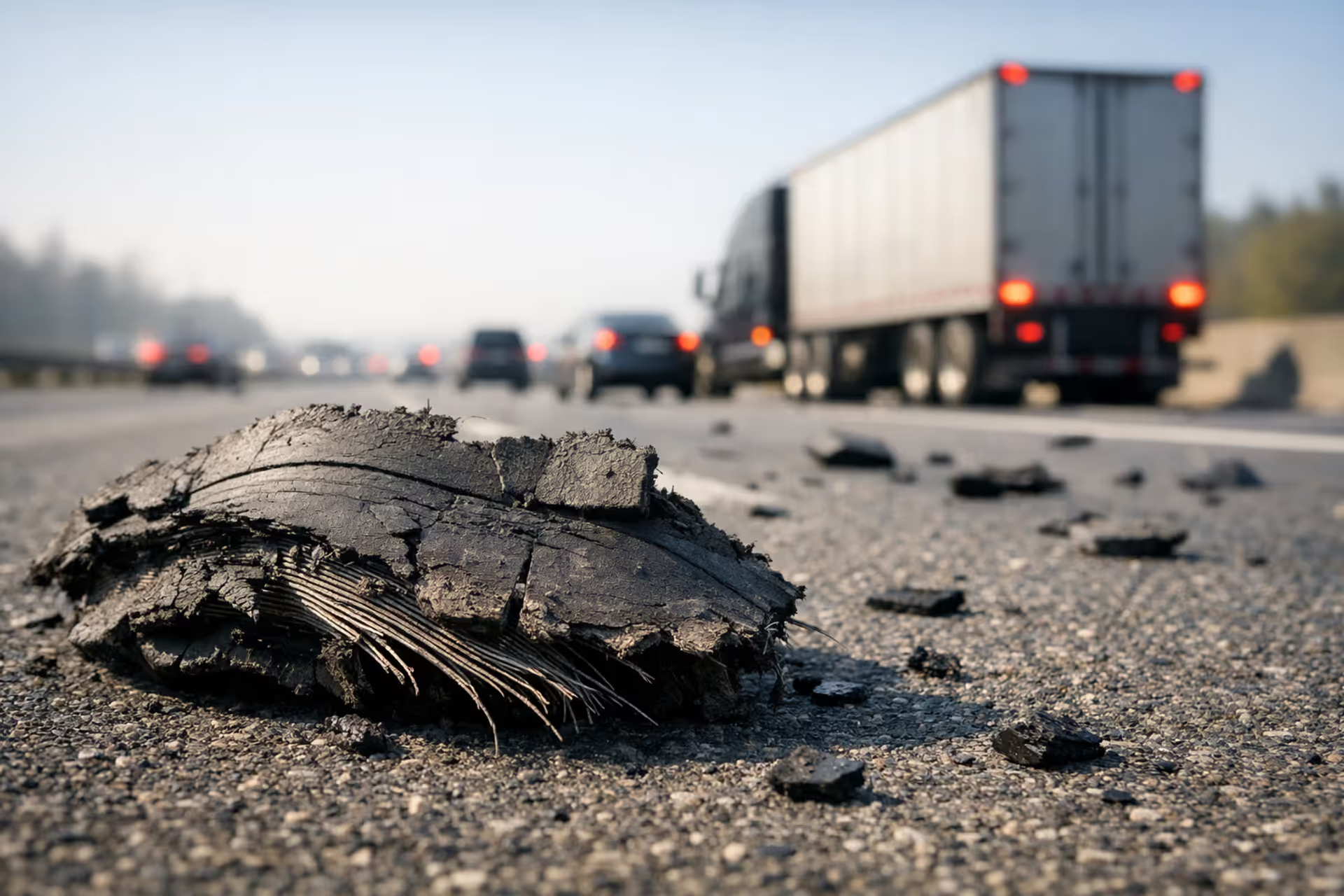
Pieces of blown commercial truck tire scattered across highway asphalt with out-of-focus semi-truck on shoulder and traffic in background
What Causes Truck Tire Blowout Accidents and How to Recover Compensation

Content
An exploding commercial truck tire on the highway transforms an ordinary commute into a life-threatening emergency in seconds. The combination of sudden vehicle instability, flying debris weighing several pounds, and the massive weight difference between an 80,000-pound tractor-trailer and your sedan creates crash scenarios that regularly lead to fatalities and permanent disabilities. Successfully navigating the compensation process means you'll need to understand federal trucking maintenance requirements, failure analysis, and the often-surprising list of companies that might owe you money.
Why Truck Tire Failures Cause Devastating Highway Crashes
Lose a tire on your Honda Civic? You'll probably manage to pull over safely. Lose one on an 18-wheeler? That's when people die.
Commercial vehicles depend on all 18 wheels working together to maintain stability, but even a single tire explosion can trigger jackknifing, send trailers careening across multiple lanes, or cause complete loss of steering. FMCSA statistics reveal that tire problems play a role in roughly 6% of all big-rig crashes each year—percentages that translate into thousands of collisions nationwide. Behind those numbers lie physics that most drivers don't appreciate until they're caught in the aftermath.
When a front steer tire explodes, the driver immediately loses the ability to control direction. Rear drive axle failures cause the back end to swing wildly. Trailer tire blowouts launch rubber chunks—some exceeding five pounds—into traffic at whatever speed the truck was traveling. At 65 mph, the driver gets maybe two or three seconds to react before the truck begins drifting. Stopping a fully-loaded semi takes 525 feet under perfect conditions. Add a blown tire, and you're looking at double that distance while the driver wrestles with a vehicle that no longer responds predictably.
What makes these crashes particularly deadly is the chain reaction they trigger. Other vehicles swerve to dodge debris or the disabled truck, crashing into each other. Tire fragments punch through windshields, strike motorcyclists, or cause cars to lose control. A maintenance failure on one truck becomes a multi-vehicle disaster scene.
Companies continue to sacrifice lives for delivery timetables, skipping the tire inspections that could prevent most blowout crashes—making these tragedies completely avoidable.
— Michael Rodriguez, Former FMCSA Safety Investigator
Common Causes Behind Commercial Truck Tire Blowouts
Maintenance Neglect and Inspection Failures
Federal regulations spell out pre-trip inspection requirements before every single haul. Reality? Drivers facing tight delivery windows skip thorough checks, fleet managers postpone tire replacements to save money, and maintenance logs get creative.
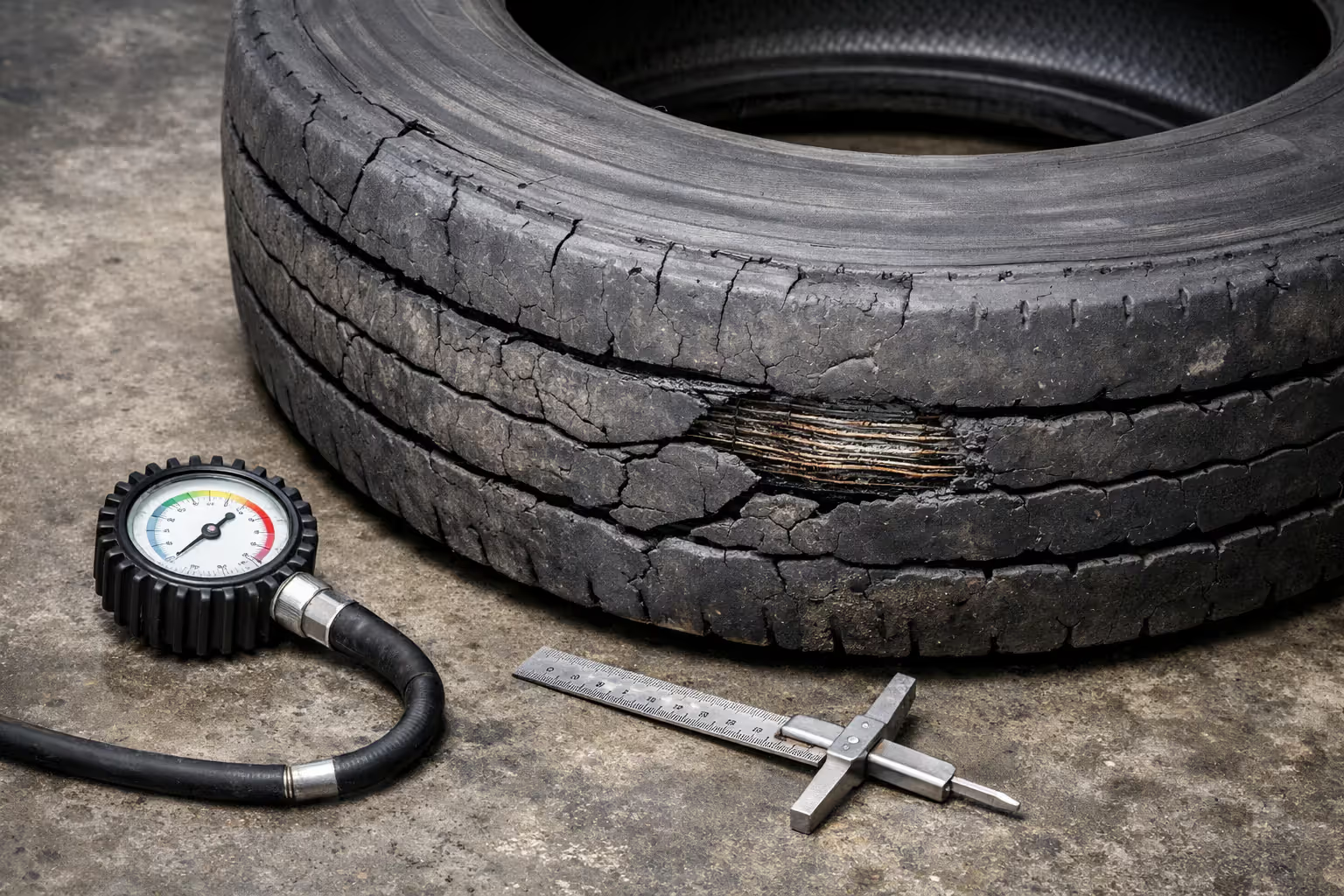
The Federal Motor Carrier Safety Regulations set minimum tread depth at 4/32 inch for steer tires and 2/32 inch for other positions. Inspectors discover violations constantly—bald tires, weather-cracked sidewalls, slowly leaking valve stems that nobody bothered to replace for weeks. When you investigate a truck tire failure accident, you'll usually find warning signs that got ignored on multiple previous trips.
Retreaded tires complicate matters further. Sure, retreading makes economic sense by extending tire life, but shoddy retreading work creates structural weak points. The tread cap can peel away from the casing—truckers call it "gator" because the torn rubber on the highway looks like alligator hide. This separation typically starts small but can turn explosive under stress.
Overloading and Improper Tire Pressure
Every tire has a load rating stamped right on the sidewall. Push past it, and you're asking for internal structural breakdown. Some trucking companies overload trailers deliberately, squeezing maximum profit from each trip. That extra weight generates heat inside the tire, slowly destroying rubber compounds and steel belts.
Inflation pressure directly determines how much weight a tire can safely carry. Underinflated tires flex excessively, building heat through friction. Overinflated tires concentrate all the weight on a smaller contact patch, stressing specific areas. Either scenario accelerates failure. Federal law mandates tire pressure monitoring, but plenty of older trucks still lack automated systems. Manual checking depends entirely on driver diligence—not exactly reliable when you're running behind schedule.
Temperature changes hit commercial trucks harder than passenger vehicles. A tire inflated correctly in 40-degree morning cold becomes overinflated by 90-degree afternoon heat. Long-haul drivers crossing climate zones face constant pressure fluctuations. Without adjustments, you've got a tire operating at its maximum limit that suddenly exceeds what the structure can handle.
Author: Jason Calloway;
Source: capeverde-vip.com
Manufacturing Defects and Tire Recalls
Even perfectly maintained tires can explode due to manufacturing flaws. Belt separation, tread delamination, sidewall zipper failures—all stem from production errors. Major manufacturers have recalled millions of commercial tires over the last ten years for various defects.
Here's the problem: recalls don't magically remove dangerous tires from service. Unlike passenger cars, commercial truck tires often come from wholesalers, retreaders, or secondary markets. Tracking which specific tires sit on which trucks becomes virtually impossible. A tire recalled in 2022 might still be rolling down the highway in 2024 because the fleet manager never heard about the recall.
Age matters too. Rubber deteriorates over time regardless of remaining tread. Industry experts suggest replacing truck tires after six or seven years, but no federal regulation enforces age-based replacement. Tires manufactured a decade ago remain in active service, their rubber compounds hardened and brittle, ready to fail catastrophically under normal stress.
The most dangerous tire on the road is not the one with a manufacturing defect — it is the one that passed through a dozen hands, each assuming someone else would catch the problem. Shared responsibility without clear accountability is the silent killer in commercial trucking safety
— Dr. Patricia Keller
Who Can Be Held Liable After a Tire Failure Accident
Trucking crash claims frequently involve multiple defendants because commercial transportation divides responsibility across numerous companies. Identifying every liable party ensures you're pursuing money from everyone whose negligence contributed to your injuries.
Trucking companies shoulder primary responsibility for vehicle maintenance and driver supervision. When a company refuses to replace worn tires, dismisses inspection reports, or pushes drivers to skip safety checks, they've created liability. Motor carrier negligence includes hiring decisions—bringing on drivers with terrible safety records or insufficient training multiplies their responsibility.
Maintenance contractors servicing fleet vehicles can face liability for substandard work. If a contractor mounted tires incorrectly, overlooked dangerous wear patterns, or falsified inspection paperwork, you can go after the maintenance provider. Contracts between trucking companies and service shops don't protect either one from lawsuits by injured third parties.
Tire manufacturers get hit with product liability claims when defects trigger blowouts. These cases require proving the tire contained design flaws, manufacturing errors, or inadequate warnings. Manufacturing defect claims operate under strict liability—you don't need to prove negligence, just that the product was unreasonably dangerous. However, these cases demand extensive expert testimony and technical documentation.
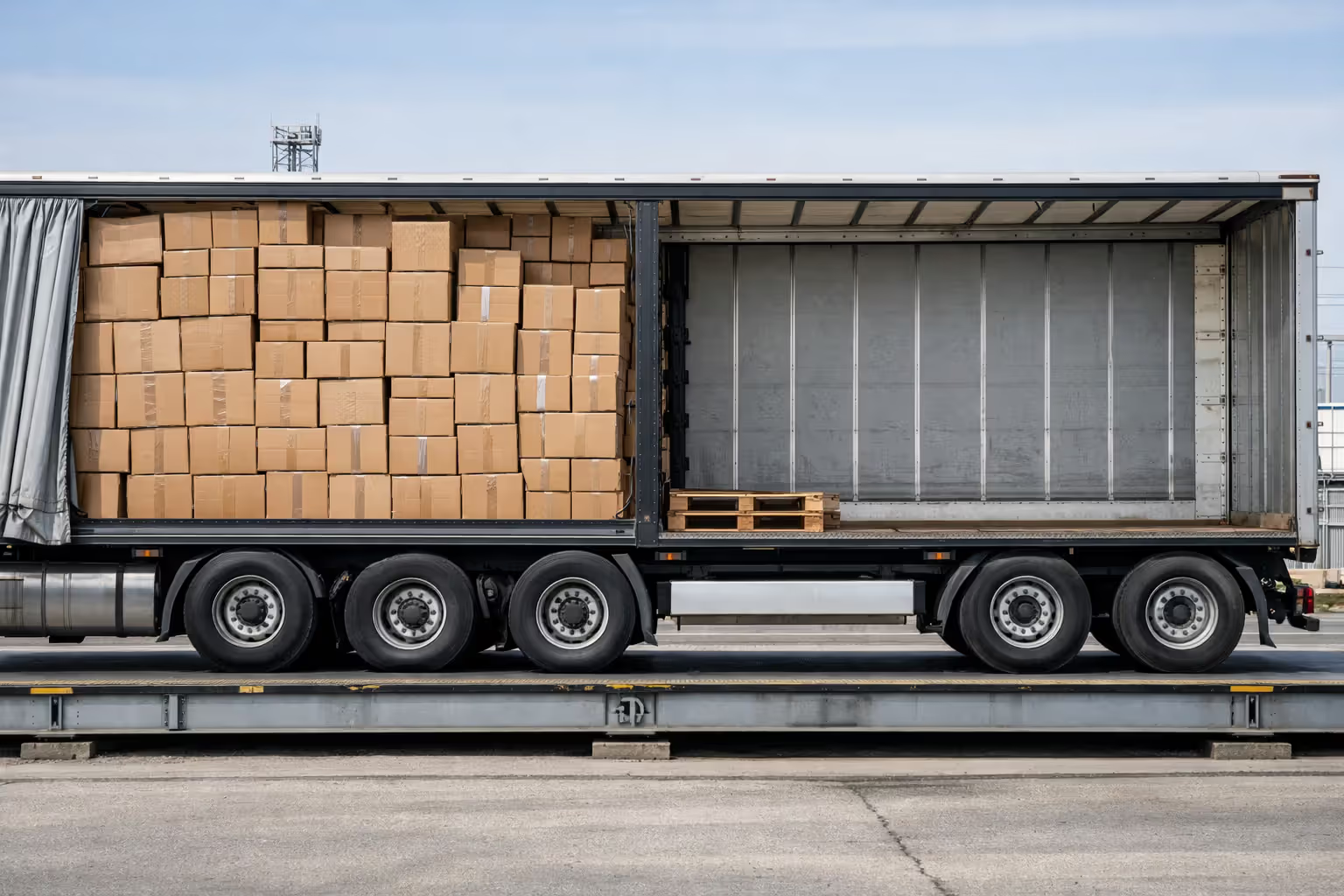
Cargo loading companies contribute to tire failures through improper weight distribution. Overloading one axle while leaving another underutilized creates uneven stress across the truck. Improperly secured cargo that shifts during transport can suddenly overload specific tires beyond their rated capacity. When a third-party logistics company loaded the trailer, they may share liability.
Author: Jason Calloway;
Source: capeverde-vip.com
Truck drivers face personal liability when their actions contributed to the blowout. Dismissing low-pressure warnings, skipping mandatory inspections, or responding incorrectly during the blowout creates individual responsibility. That said, drivers typically have minimal assets, making them less valuable defendants than their corporate employers.
Commercial truck legal help becomes critical because establishing liability means digging through maintenance records, driver logs, electronic control module data, and corporate policies. Multiple defendants mean multiple insurance policies—but also multiple defense teams working hard to blame someone else.
Types of Compensation Available in Trucking Crash Claims
Victims of truck tire blowout accidents can pursue different damage categories, each compensating distinct aspects of their harm.
| Damage Category | What It Includes | Specific Examples |
| Economic Losses | Calculable financial harm with receipts and documentation | Hospital bills, surgical costs, lost paychecks, property repair/replacement, future medical treatment, diminished earning potential, rehabilitation expenses |
| Non-Economic Losses | Intangible harm without predetermined dollar values | Physical pain, mental anguish, reduced quality of life, permanent scarring, disfigurement, relationship damage |
| Punitive Awards | Financial punishment for egregious misconduct (limited by state law) | Applied when defendants knowingly operated unsafe equipment, fabricated safety records, or deliberately violated regulations |
Economic losses provide the foundation for most truck collision settlements. Medical costs begin immediately—emergency transport, trauma care, surgery—and frequently continue for years through ongoing treatment and rehabilitation. Serious injuries demand multiple operations, months of physical therapy, and specialized medical equipment. Lost income extends beyond your immediate recovery period since permanent disabilities slash your future earning potential. Economic experts calculate lifetime wage losses by examining your age, profession, and career path.
Property damage in commercial truck crashes regularly totals passenger vehicles. The forces involved in these collisions obliterate cars. You're not just losing your vehicle but everything inside—personal belongings, car seats, work equipment.
Non-economic losses compensate for harm that never appears on invoices or pay stubs. Constant pain from spinal injuries, psychological trauma after watching family members get hurt, permanent scarring that affects your self-image—all deserve compensation. These losses frequently exceed economic damages in catastrophic injury cases. Juries evaluate injury severity, how long recovery took, and what activities you can no longer enjoy.
Calculating non-economic losses varies by jurisdiction. Some states multiply economic damages by a factor between 1.5 and 5 depending on injury severity. Others evaluate each case individually without formulas. Comparative negligence rules in many states proportionally reduce awards when the victim shares fault.
Punitive awards apply when defendants acted with gross negligence or willful misconduct. A trucking company that fabricated inspection logs, disregarded repeated safety violations, or knowingly ran unsafe vehicles may face punitive damages. These awards exist to punish wrongdoing and discourage similar behavior. Many states cap punitive awards at a multiple of compensatory damages or a fixed dollar amount.
How a Truck Injury Attorney Builds Your Case
A truck injury attorney handles these cases completely differently than standard fender-bender claims. The complexity of federal regulations, the number of potential defendants, and sophisticated corporate defense teams demand specialized experience.
Evidence preservation starts immediately. Commercial trucks contain electronic logging devices recording hours of service, speed, and operational data. This information gets overwritten on a regular cycle. Attorneys issue spoliation letters demanding preservation of electronic data, maintenance files, driver personnel records, and internal emails. Wait too long to hire counsel and critical evidence vanishes.
Accident reconstruction frequently proves essential. Specialists analyze skid marks, debris patterns, vehicle damage, and electronic data to calculate pre-crash speed, driver reactions, and the collision sequence. In tire blowout cases, experts examine tire fragments to identify the failure mechanism—gradual wear, sudden defect, or overload-induced failure?
Federal regulation violations substantially strengthen cases. The Federal Motor Carrier Safety Regulations establish minimum safety standards. Violations establish negligence per se in many jurisdictions—the violation itself proves negligence without needing additional proof. Common violations include hours-of-service violations (exhausted drivers miss tire problems), deficient maintenance programs, and inspection failures.
Expert witnesses deliver specialized testimony. Tire specialists explain failure mechanisms and whether proper maintenance would have prevented the blowout. Trucking industry specialists testify about standard practices and regulatory compliance. Medical specialists detail injury causation and future care requirements. Economists calculate lifetime earning losses.
A semi-truck accident lawyer must also navigate layered insurance structures. Commercial trucks carry multiple policies—primary liability, umbrella coverage, cargo insurance. Some policies provide millions in coverage, but insurers battle aggressively to reduce payouts. Understanding policy language, exclusions, and coverage triggers demands experience.
Negotiation versus trial presents strategic choices. Most trucking crash claims settle before trial because defendants want to avoid public verdicts that might trigger additional claims or expose damaging corporate practices. However, insurers sometimes lowball opening offers, gambling that victims will grab quick money rather than endure litigation. Experienced attorneys recognize when settlement offers reflect true case value and when you need to proceed to trial.
In catastrophic trucking cases, the evidence you fail to preserve in the first seventy-two hours becomes the argument the defense uses against you for the next three years. Speed in building your case is not urgency — it is survival
— James R. Thornton
Mistakes That Can Destroy Your Truck Collision Settlement
Victims unknowingly sabotage their claims through predictable mistakes that defense lawyers exploit ruthlessly.
Delaying medical treatment creates treatment gaps that adjusters weaponize against you. Insurance representatives argue injuries can't be serious if you waited days or weeks to see a doctor. Even when pain seems moderate initially, get examined immediately. Certain serious injuries—internal bleeding, traumatic brain injuries—don't produce severe symptoms right away. Medical documentation linking your injuries to the crash within hours establishes clear causation.
Giving recorded statements to insurance adjusters without legal guidance routinely backfires. Adjusters sound sympathetic while engineering questions to undermine your claim. "You're feeling better now, right?" becomes evidence your injuries weren't serious. "Weather was clear, correct?" eliminates potential contributing factors. Statements made while on pain medication or emotionally distraught can contradict later testimony. Politely refuse recorded statements until you've spoken with commercial truck legal help.
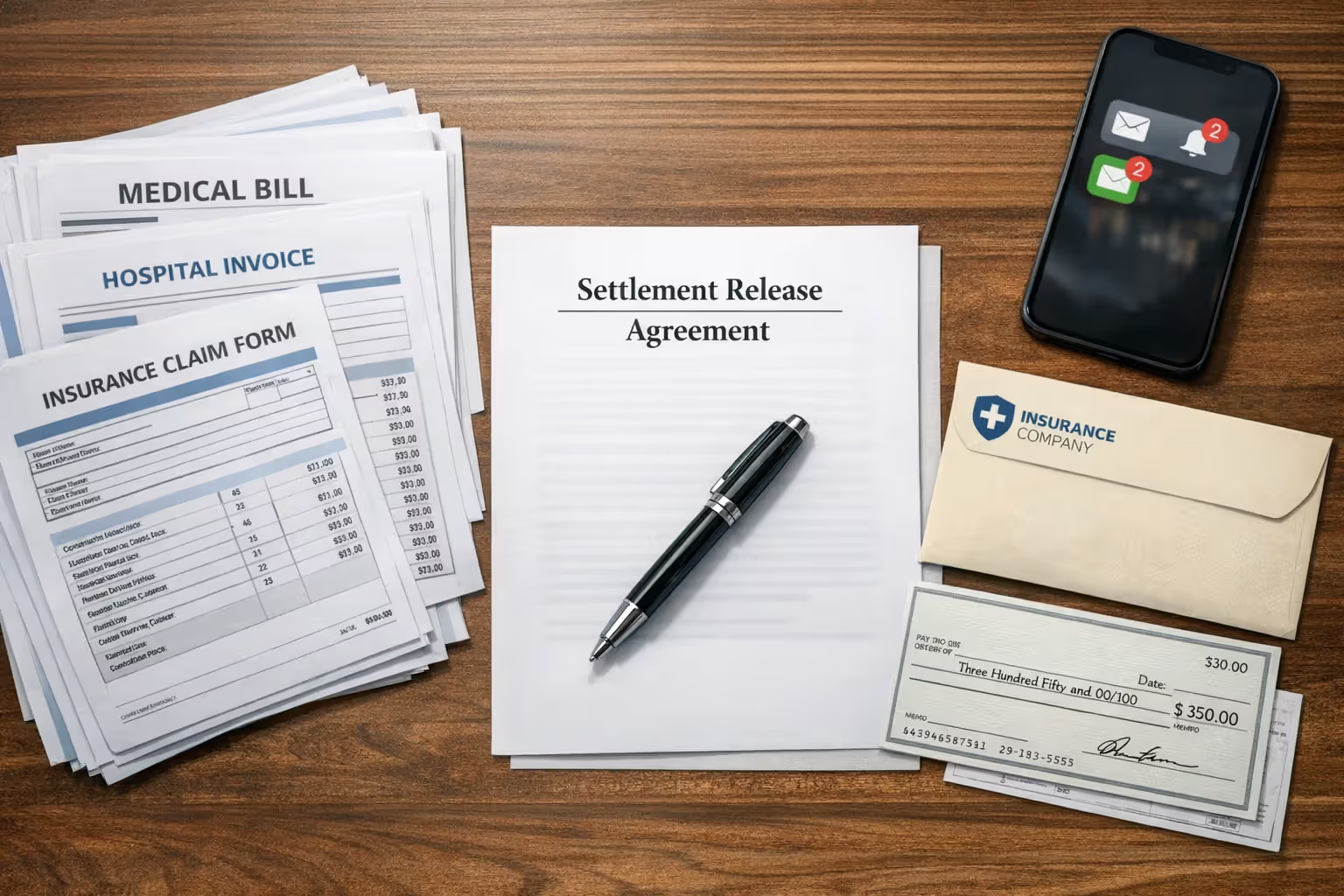
Accepting quick settlements before understanding your full injury picture ranks among the costliest mistakes. Insurers rush settlements while you're drowning in medical bills and missing paychecks. Sign that release, though, and you've permanently surrendered your right to additional compensation when complications emerge. Spinal injuries, traumatic brain injuries, and psychological trauma frequently worsen over months. Only settle after reaching maximum medical improvement and understanding your long-term prognosis.
Author: Jason Calloway;
Source: capeverde-vip.com
Posting on social media hands defense attorneys free ammunition. That photo of you smiling at a family gathering becomes "proof" you're not experiencing emotional distress. Check-ins at restaurants supposedly prove you're not as injured as you claim. Insurance companies pay investigators specifically to monitor social media. Privacy settings won't necessarily protect you—friends' public posts can tag you. Your safest bet? Post nothing about your activities, injuries, or the case.
Missing statutes of limitations kills cases completely. Each state sets filing deadlines—usually two to four years from the crash date. Miss that deadline by a single day, and courts throw out your case regardless of how strong it is. Certain situations pause the deadline, but don't count on exceptions. Consult a truck injury attorney quickly to protect your filing deadlines.
Ignoring medical advice gives defense teams arguments that you caused your prolonged suffering. When doctors recommend physical therapy and you skip sessions, insurers claim your ongoing pain results from non-compliance rather than the accident. Follow treatment plans, attend appointments, and document any legitimate reasons preventing you from complying with recommendations.
Frequently Asked Questions About Tire Blowout Accident Claims
Recovering from a truck tire blowout accident involves more than physical healing. Financial pressure from hospital bills, missing paychecks, and destroyed property intensifies the trauma of the collision itself. Understanding your legal options and potential compensation helps you make informed decisions about your future.
These cases require attention to detail that most general practice attorneys lack. Federal trucking regulations, tire failure mechanics, and corporate structures of transportation companies demand specialized knowledge. The gap between an attorney who occasionally handles truck cases and one who concentrates on commercial vehicle litigation often translates into hundreds of thousands of dollars in additional compensation.
Don't let filing deadlines or disappearing evidence weaken your claim. Trucking companies and their insurers start building their defense immediately after crashes—hiring investigators, interviewing witnesses, and preserving evidence supporting their narrative. You deserve equally aggressive representation protecting your interests.
The journey from accident to resolution varies for each victim, but the destination stays consistent: fair compensation addressing all your losses and holding negligent parties accountable. When trucking companies prioritize profits over safety, defer maintenance to meet delivery schedules, and ignore warning signs—they must face consequences. Your claim contributes to broader highway safety by imposing financial accountability for negligence.
Take the first step by consulting a qualified truck injury attorney who can evaluate your specific situation, explain your options, and clarify the true value of your claim. Most consultations carry no cost and create no obligation, but they provide the information you need to protect your rights and your future.