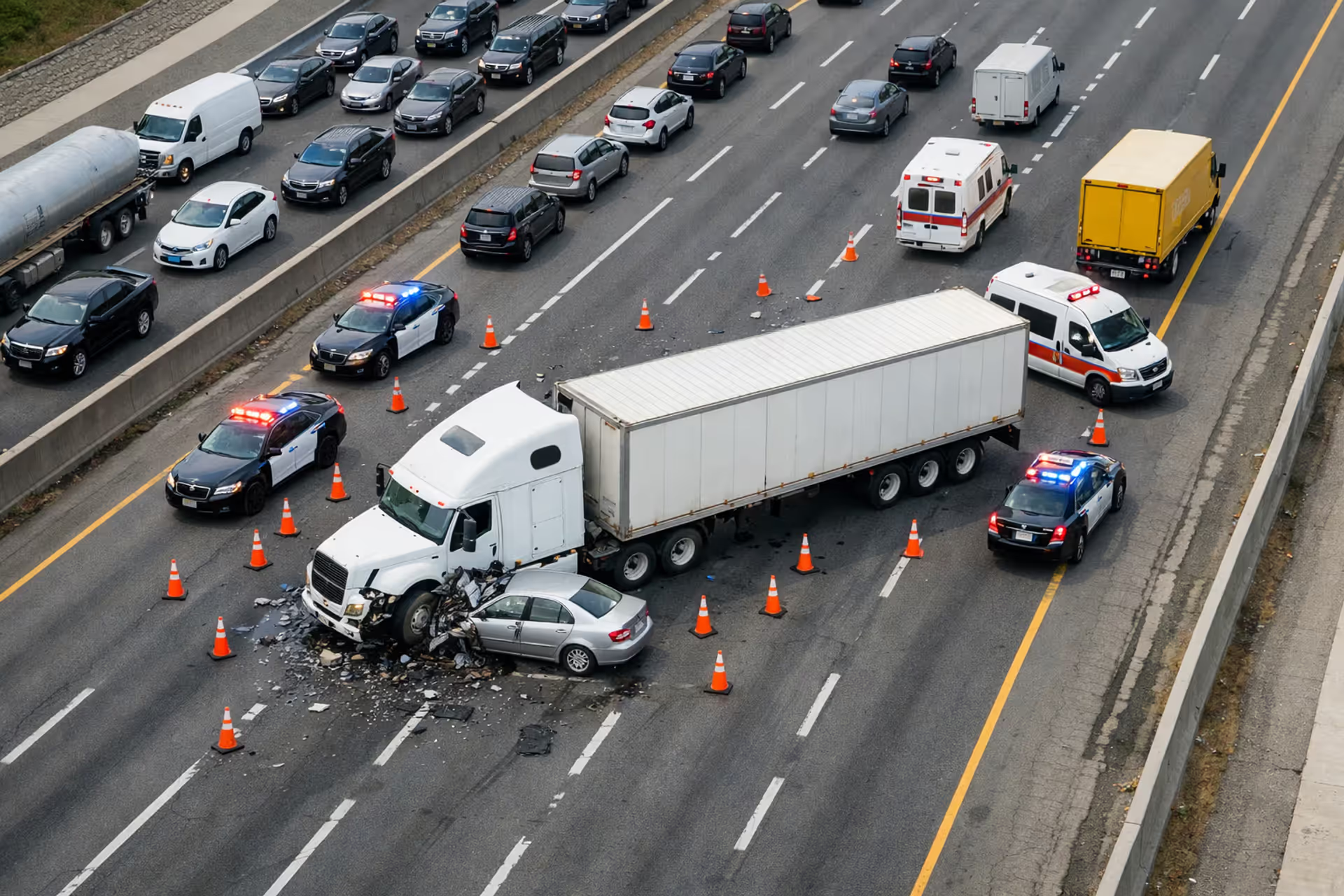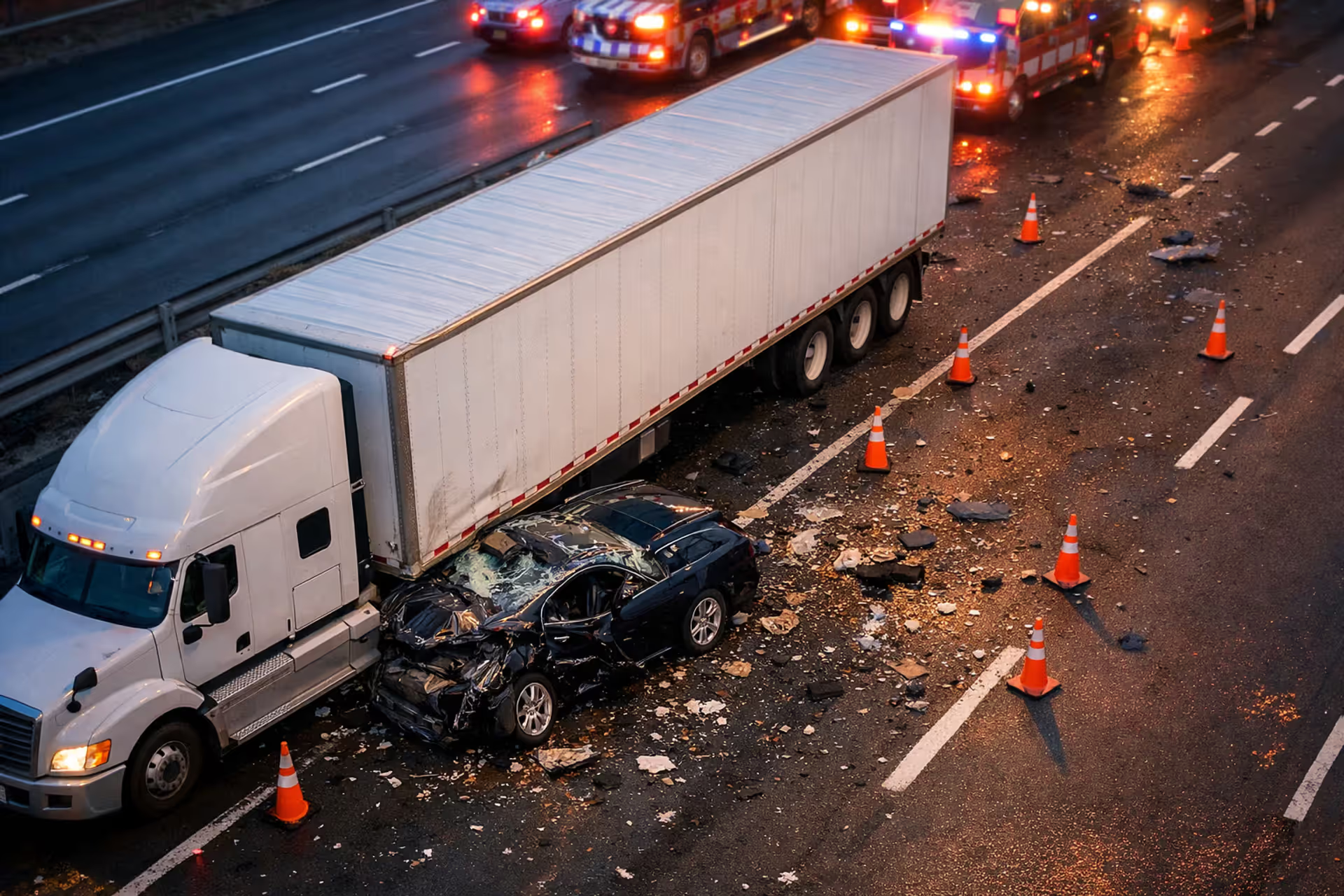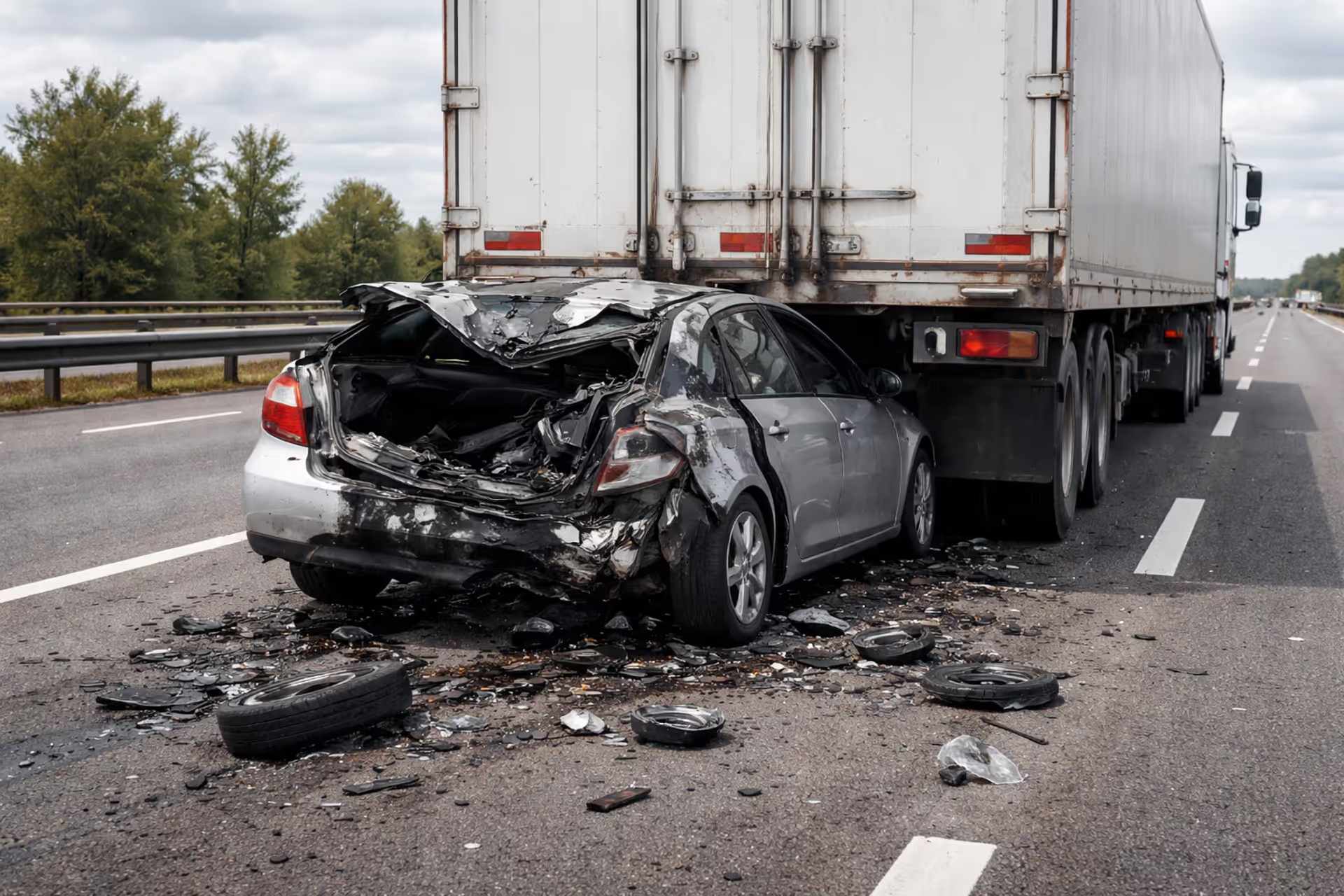
Severely damaged car after collision with large commercial semi-truck on highway
Commercial Truck Accident Settlements: What Victims Need to Know About Compensation

Content
Recovering from a collision with an 80,000-pound commercial truck involves more than physical healing. The financial stakes are dramatically higher than typical car accidents, with settlements frequently reaching six or seven figures. Understanding what drives these numbers—and how to protect your claim—can mean the difference between covering your medical bills and securing your financial future.
How Much Are Truck Accident Cases Worth?
Settlement values in commercial truck accident cases vary wildly based on injury severity, liability evidence, and the defendant's insurance coverage. Unlike fender-benders with passenger vehicles, these cases involve federal regulations, multiple insurance policies, and corporate defendants with deeper pockets.
Average Settlement Ranges by Injury Severity
Minor soft-tissue injuries in truck accidents typically settle between $25,000 and $75,000. These cases involve whiplash, bruising, or temporary pain that resolves within weeks or months. The settlement covers medical bills, a few weeks of lost wages, and compensation for pain during recovery.
Moderate injuries—broken bones, herniated discs requiring surgery, or significant scarring—push settlements into the $100,000 to $500,000 range. These victims face months of rehabilitation, multiple surgical procedures, and potential complications that extend recovery timelines.
Catastrophic injuries command settlements from $750,000 into the multi-million dollar territory. Spinal cord injuries resulting in paralysis, traumatic brain injuries with permanent cognitive deficits, or amputations require lifetime medical care, home modifications, and lost earning capacity that can total millions over a victim's lifetime.

Author: Jason Calloway;
Source: capeverde-vip.com
Six-Figure vs. Million-Dollar Cases: What Makes the Difference
The jump from a six-figure settlement to seven figures hinges on permanent disability and future damages. A 35-year-old construction worker who loses the ability to work for 30 years has dramatically different damages than a retiree with the same injury. Vocational experts calculate lost earning capacity, economists project future medical costs with inflation adjustments, and life care planners detail every expense from wheelchair maintenance to home health aides.
Clear liability evidence also separates modest settlements from maximum recoveries. When black box data shows the truck driver exceeded hours-of-service limits, maintenance records reveal ignored brake defects, or toxicology reports confirm drug use, defendants face enormous pressure to settle high rather than risk a jury verdict with punitive damages.
The value of a trucking accident case is never just about what happened on the day of the crash. It’s about what happens for the rest of that person’s life — the surgeries they’ll need in ten years, the career they’ll never have, the moments with their children they’ll miss. A proper valuation demands that you project an entire lifetime of loss, and that requires expertise most people never realize they need.
— Dr. Rebecca Thornton
Seven Factors That Determine Your Settlement Amount
Injury severity sits at the foundation of every valuation. Objective medical evidence—MRI findings, surgical reports, neurological test results—carries more weight than subjective pain complaints. Permanent impairment ratings from independent medical examiners provide concrete numbers that insurance adjusters and juries understand.
Liability clarity determines negotiating leverage. Video footage from dashcams or traffic cameras, electronic logging device data showing hours-of-service violations, and witness statements create ironclad cases. When fault is disputed, settlements drop because defendants gamble on jury sympathy or procedural victories.
Insurance policy limits create hard ceilings in many cases. Federal regulations require commercial trucks to carry minimum $750,000 policies, but many carriers hold $1 million to $5 million in coverage. Trucking companies often maintain umbrella policies reaching $10 million or more. Identifying every applicable policy—driver coverage, trucking company liability, cargo insurance, and umbrella policies—maximizes available compensation.
Lost wages extend beyond missed paychecks. Calculations include overtime, bonuses, benefits, and retirement contributions. Self-employed victims document income through tax returns, bank statements, and client contracts. Future earning capacity losses require vocational experts who analyze how injuries affect career progression and lifetime earnings.
Medical costs encompass past bills and future treatment. Current expenses are straightforward, but projecting future needs requires life care plans from medical professionals. These detailed reports estimate costs for surgeries, medications, physical therapy, assistive devices, and home health care over the victim's lifetime.
Permanent disability multiplies settlement values through loss of enjoyment of life damages. A marathon runner who can no longer jog, a musician who loses finger dexterity, or a parent who can't lift their children all suffer non-economic losses that juries compensate generously.
Punitive damages potential appears when defendants act with gross negligence or willful misconduct. Trucking companies that falsify maintenance records, ignore repeated safety violations, or pressure drivers to exceed legal driving hours face punitive awards designed to punish and deter. The threat of punitive damages often drives settlement negotiations into higher ranges.
Types of Compensation Available in Trucking Accident Claims
Economic Damages
Economic damages cover measurable financial losses with paper trails. Medical expenses include emergency room treatment, hospitalization, surgery, rehabilitation, prescription medications, medical equipment, and future care costs. Victims submit itemized bills, insurance statements, and life care plans documenting every dollar.
Lost income calculations start with wage statements and tax returns, then extend to lost earning capacity. A 40-year-old accountant earning $80,000 annually who suffers a traumatic brain injury preventing complex cognitive work has lost decades of income growth. Economists calculate present value of future earnings, accounting for raises, promotions, and inflation.
Property damage covers vehicle replacement, personal items destroyed in the crash, and damaged cargo. While often a small fraction of total damages in serious injury cases, thorough documentation ensures full reimbursement.
Non-Economic Damages
Pain and suffering compensation addresses physical discomfort, emotional distress, and reduced quality of life. Juries consider injury severity, treatment duration, permanent limitations, and how injuries affect daily activities. A young parent paralyzed from the waist down receives higher pain and suffering awards than an elderly victim with similar injuries because they face decades of limitations.
Loss of consortium claims allow spouses to recover for damaged marital relationships. When injuries eliminate physical intimacy, shared activities, or emotional support, spouses have independent claims separate from the injured victim's damages.
Disfigurement and scarring awards compensate visible injuries affecting appearance and self-esteem. Facial scars, amputations, and burn injuries carry substantial non-economic value, particularly for younger victims who face a lifetime of stares and questions.

Author: Jason Calloway;
Source: capeverde-vip.com
When Punitive Damages Apply
Punitive damages require proof of willful misconduct, fraud, or gross negligence exceeding ordinary carelessness. A tired truck driver who falls asleep doesn't trigger punitive damages, but a trucking company that systematically falsifies logbooks to maximize profits might.
Federal regulations create clear standards that, when violated, support punitive claims. Exceeding hours-of-service limits, ignoring required maintenance schedules, or hiring drivers with disqualifying violations all demonstrate reckless disregard for public safety. Some states cap punitive damages at multiples of compensatory awards, while others allow unlimited amounts.
The Settlement Timeline: From Crash to Compensation
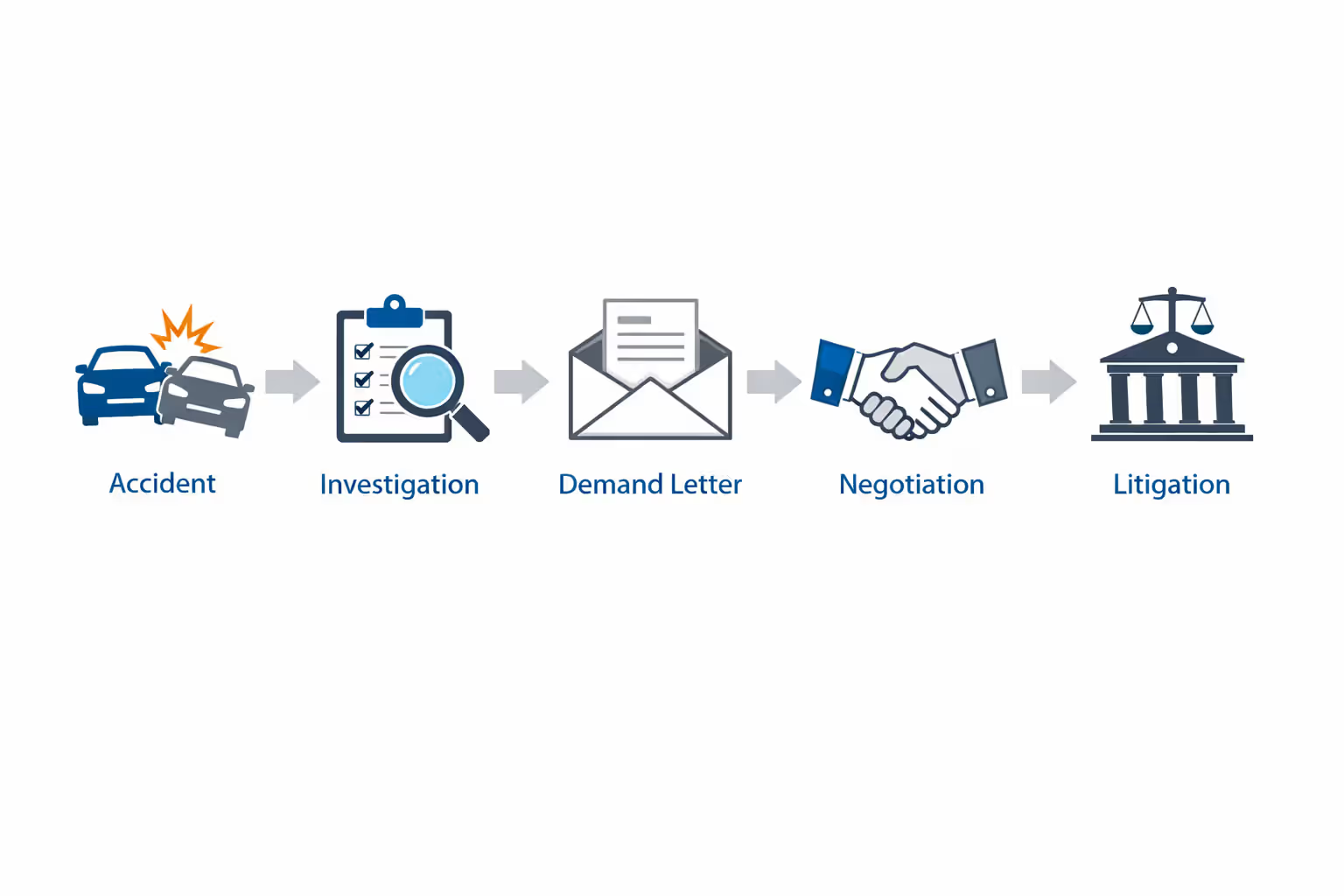
The investigation phase begins immediately after the crash and extends 60 to 90 days. Attorneys preserve evidence before it disappears—downloading black box data, photographing the accident scene, interviewing witnesses, and obtaining police reports. Commercial trucks have electronic control modules recording speed, braking, and other data that gets overwritten within weeks if not preserved.
Trucking companies dispatch accident response teams within hours, securing evidence favorable to their defense. Victims who wait weeks to hire attorneys often find critical evidence destroyed or witnesses unavailable. Medical treatment continues during this phase, establishing the full extent of injuries before making settlement demands.
The demand letter arrives after medical treatment concludes or reaches maximum medical improvement, typically six to eighteen months post-accident. This detailed document presents liability evidence, medical records, expert opinions, and a specific settlement figure with supporting calculations. Defense attorneys review the demand, investigate claims, and respond with counteroffers or denials.
Negotiation can resolve cases in weeks or stretch for months. Insurance companies make lowball initial offers testing victim resolve. Each negotiation round requires evidence supporting your position—additional medical opinions, refined economic calculations, or new liability evidence. Experienced attorneys know when defendants have reached their maximum offer and when continued pressure will yield higher settlements.
Litigation begins when negotiations stall. Filing a lawsuit doesn't mean going to trial—over 90% of truck accident cases settle before trial. The litigation phase involves discovery (exchanging evidence), depositions (recorded testimony), expert witness retention, and mediation. This process typically spans 12 to 24 months, though complex cases can extend longer.
Mediation occurs in most jurisdictions before trial. A neutral mediator facilitates settlement negotiations, often securing agreements that direct negotiations couldn't achieve. If mediation fails, trial preparation intensifies, and defendants frequently make final settlement offers to avoid jury verdicts.
Author: Jason Calloway;
Source: capeverde-vip.com
Why Commercial Truck Cases Settle Higher Than Car Accidents
Federal regulations create strict liability standards that don't apply to passenger vehicles. The Federal Motor Carrier Safety Regulations govern hours of service, vehicle maintenance, driver qualifications, and cargo securement. Violations of these regulations constitute negligence per se in most states, eliminating the need to prove the defendant breached a duty of care.
Higher insurance limits reflect the catastrophic damage potential of commercial trucks. While most passenger vehicles carry $25,000 to $100,000 in liability coverage, commercial trucks must maintain minimum $750,000 policies, with many carrying millions in coverage. These higher limits allow settlements matching actual damages rather than being artificially capped by inadequate insurance.
Corporate defendants have reputational concerns that individual drivers don't face. Trucking companies worry about negative publicity, regulatory scrutiny, and the precedent of large jury verdicts. Settling cases confidentially for substantial amounts often makes more business sense than risking a public trial with devastating testimony about safety violations.
Black box evidence provides objective proof unavailable in car accidents. Electronic logging devices, GPS tracking, engine control modules, and onboard cameras create detailed records of driver behavior, vehicle speed, braking patterns, and hours of service compliance. This data eliminates "he said, she said" disputes that plague car accident cases.
Multiple liable parties expand recovery options. Beyond the truck driver, potential defendants include the trucking company (under respondeat superior liability), the truck owner (if different from the operator), maintenance contractors, cargo loaders, truck manufacturers, and parts suppliers. Each defendant brings separate insurance coverage, increasing total available compensation.
| Injury Type | Average Car Accident Settlement | Average Truck Accident Settlement | Difference Explained |
| Soft tissue injuries | $10,000–$25,000 | $25,000–$75,000 | Higher impact forces and clearer liability evidence in truck cases |
| Broken bones | $30,000–$100,000 | $100,000–$300,000 | Multiple fractures more common; higher insurance limits available |
| Spinal injuries | $150,000–$500,000 | $500,000–$2,000,000 | Permanent disability more frequent; corporate defendants with deeper pockets |
| Traumatic brain injury | $250,000–$1,000,000 | $1,000,000–$5,000,000+ | Lifetime care needs and lost earning capacity over decades |
| Wrongful death | $500,000–$2,000,000 | $2,000,000–$10,000,000+ | Loss of high earners over full career span; punitive damages more common |
Common Mistakes That Reduce Your Settlement Value
Accepting early settlement offers before understanding full injury extent costs victims hundreds of thousands of dollars. Insurance adjusters contact victims within days, offering quick checks for a few thousand dollars. Victims with undiagnosed internal injuries, developing complications, or permanent disabilities that become apparent months later are stuck with settlements covering a fraction of actual damages.
Giving recorded statements to insurance adjusters without attorney guidance creates ammunition for the defense. Adjusters ask leading questions designed to elicit admissions of comparative fault, minimize injury severity, or contradict later claims. A victim who says "I'm feeling better" during a polite conversation finds that statement used to argue against ongoing treatment needs.

Author: Jason Calloway;
Source: capeverde-vip.com
Posting on social media provides defense attorneys with goldmine evidence. Victims claiming debilitating back injuries who post photos of themselves at a concert, on vacation, or playing with their kids face aggressive cross-examination. Defense experts analyze social media for any activity inconsistent with claimed limitations. Privacy settings don't protect posts—discovery rules allow defendants to subpoena social media accounts.
Delaying medical treatment creates gaps that insurance companies exploit. Waiting weeks to see a doctor after a crash allows defendants to argue injuries weren't serious or resulted from intervening causes. Following prescribed treatment plans demonstrates injury legitimacy and prevents insurance companies from claiming victims failed to mitigate damages.
Missing documentation leaves money on the table. Victims who don't track mileage to medical appointments, out-of-pocket medication costs, or home modification expenses lose reimbursement for legitimate damages. Keeping a daily journal documenting pain levels, activity limitations, and emotional struggles provides powerful evidence of non-economic damages.
In thirty years of defending and prosecuting trucking cases, I’ve seen one pattern repeat itself without fail: the victims who document everything — every doctor visit, every sleepless night, every dollar spent — recover two to three times more than those who don’t. Evidence isn’t just king in these cases, it’s the entire kingdom.
— Judge William H. Carter
When to Hire a Truck Injury Attorney vs. Handling Your Claim
Minor property-damage-only cases with clear liability rarely require attorneys. When injuries are absent and the insurance company offers fair compensation for vehicle damage, handling the claim yourself saves attorney fees. These straightforward cases involve minimal negotiation and no complex legal issues.
Any case involving injuries beyond minor bruising demands legal representation. Trucking companies and their insurers deploy experienced defense attorneys and investigators immediately. Unrepresented victims face teams of professionals whose job is minimizing payouts. The complexity of commercial truck litigation—federal regulations, electronic evidence, multiple defendants, corporate liability theories—exceeds what most people can navigate effectively.
The contingency fee structure eliminates financial risk for victims. Truck injury attorneys typically charge 33-40% of settlements, with no upfront costs. If the case doesn't recover compensation, victims owe nothing. Studies consistently show represented victims recover substantially more than unrepresented claimants, even after attorney fees.
Statute of limitations deadlines vary by state, ranging from one to six years. Missing the deadline destroys your claim permanently, regardless of merit. Some jurisdictions have shorter deadlines for claims against government entities or specific notice requirements for certain defendants. Consulting an attorney early ensures compliance with all procedural requirements.
Commercial truck accident cases involve layers of complexity that simply don't exist in passenger vehicle collisions. Between federal regulations, corporate liability structures, and sophisticated electronic evidence systems, unrepresented victims are massively outgunned. The insurance companies know this, which is why they push hard for early settlements before victims consult attorneys who can properly value these claims.
— Michael Rodriguez, Partner at Rodriguez & Associates Trial Lawyers, Board Certified in Truck Accident Litigation
Frequently Asked Questions About Truck Accident Settlements
Commercial truck accident settlements reflect the devastating impact these collisions have on victims' lives. The difference between adequate compensation and life-changing recovery often hinges on understanding what drives settlement values, avoiding common mistakes, and securing experienced legal representation early.
The stakes in these cases—both for victims and defendants—justify thorough preparation and patient negotiation. Trucking companies and their insurers count on victims accepting quick, inadequate settlements or making mistakes that devalue claims. Knowing the factors that determine settlement amounts, the types of compensation available, and the timeline for resolution empowers victims to make informed decisions.
Every truck accident case is unique, with settlement values depending on specific injuries, liability evidence, and defendant resources. Victims who document their damages thoroughly, follow medical advice consistently, and work with attorneys experienced in commercial truck litigation position themselves for maximum recovery. The complexity of these cases—federal regulations, corporate defendants, electronic evidence, and multiple insurance policies—makes professional legal guidance not just helpful, but essential for protecting your financial future.