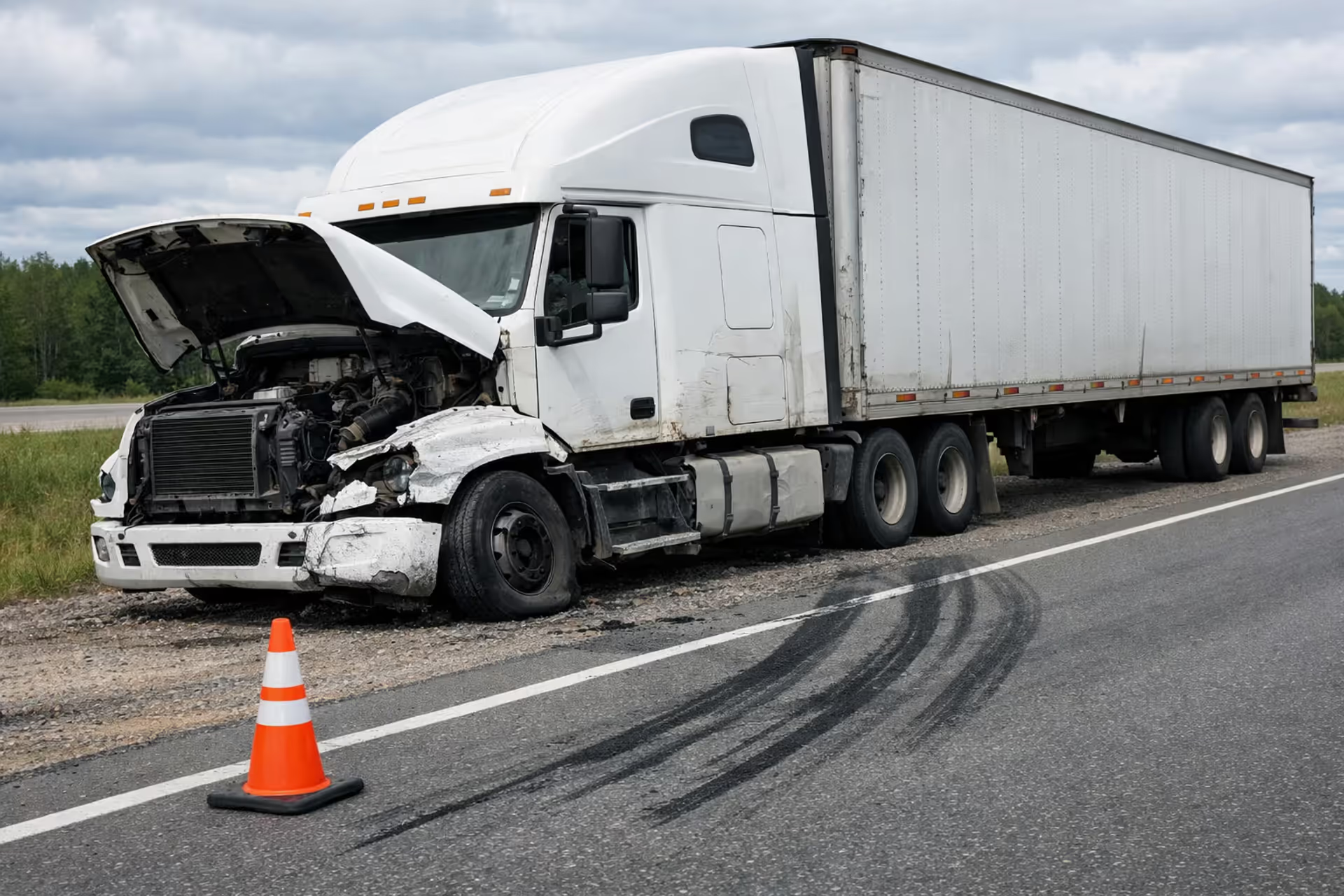
Damaged semi-truck with flat tire and open hood parked on highway shoulder with emergency cone
Who's on the Hook for Truck Maintenance? Following the Money When Mechanical Failures Cause Crashes

Content
Here's where truck accidents get complicated. That fender-bender between two sedans? Usually pretty straightforward—someone wasn't paying attention. But when a commercial vehicle falls apart mid-transit? You're potentially looking at a trucking company that ignored maintenance schedules, a repair shop that cut corners, a leasing company that owned the faulty equipment, or even a parts manufacturer that sold defective components.
Federal investigators know the score: maintenance-related crashes often trace back to corporate decision-makers who treated safety protocols as suggestions rather than requirements. When attorneys uncover this kind of systematic negligence, settlements regularly cross into seven-figure territory—sometimes much higher when the evidence reveals truly egregious conduct.
How Federal Regulations Define Maintenance Responsibility in Commercial Trucking
The Federal Motor Carrier Safety Administration doesn't mess around with maintenance requirements. Under 49 CFR Part 396, they've laid out specific rules that trucking companies can't simply ignore when it's inconvenient or expensive.
Here's what carriers must do: Every commercial vehicle needs a thorough annual inspection by someone who actually knows what they're looking at—not just the company's nephew who "knows about trucks." Documentation from these inspections sticks around for 14 months beyond the current inspection period. Miss this deadline? That's a violation attorneys will spot immediately when reviewing your records.
Daily inspections create another paper trail. Before and after every trip, drivers document vehicle conditions through DVIRs (Driver Vehicle Inspection Reports). Find worn brake pads, a cracked windshield, lights that don't work, or tires showing cords? That truck doesn't move until someone qualified fixes the problem and signs off on the repair.
The regulations go further than just requiring inspections. Carriers must keep detailed logs showing when maintenance happened, what work was performed, who did it, and who authorized putting the vehicle back on the road. This isn't bureaucratic busywork—these records become exhibit A when mechanical failures lead to courtroom battles.
Can a trucking company just hire the cheapest mechanic they can find and call it good? Absolutely not. Regulations require that anyone performing inspections or repairs has proper training and experience. When companies delegate maintenance to unqualified contractors, they remain accountable for any resulting accidents. You can't outsource your legal responsibility along with the wrench-turning.

Author: Rebecca Thornton;
Source: capeverde-vip.com
Five Parties That Can Be Held Liable for Maintenance-Related Truck Accidents
Modern trucking operates through complex webs of business relationships. One company owns the trailer, another owns the tractor, a third employs the driver, and a fourth handles all the maintenance. When something breaks and causes a crash, figuring out who pays requires untangling these arrangements.
Trucking Companies and Fleet Operators
Motor carriers sit at the center of maintenance liability. Their responsibilities extend well beyond writing checks to mechanics—they're building the entire safety culture. Does the company allocate realistic budgets for repairs? Do they give drivers time for thorough pre-trip inspections, or is everyone scrambling to meet impossible delivery windows?
Corporate policies reveal a lot about priorities. Investigators love finding internal emails where executives discuss "optimizing maintenance spend" (translation: delaying repairs to boost profits) or where dispatchers pressure drivers to "just get the load there" despite reported mechanical issues. These smoking guns transform ordinary negligence cases into punitive damage scenarios.
Pattern evidence matters enormously. One missed inspection might be an oversight. Fifty trucks in the fleet operating with expired inspection stickers? That's a systematic failure showing management either doesn't understand federal regulations or doesn't care. Either way, the company's paying.
Leasing Companies and Equipment Owners
Lots of trucking involves rented equipment. One entity owns the trailer or tractor, another operates it. Lease agreements typically specify who handles maintenance, but ownership alone can trigger liability regardless of what the contract says.
When a leasing company controls maintenance schedules, chooses which repair shops to use, or sets maintenance budgets, they're accepting responsibility for the consequences of those decisions. They can't hide behind a lease agreement that supposedly shifted all duties to the lessee when they knew—or should have known—equipment was unsafe.
Trailer leasing creates particular headaches. A trucking company might maintain its own tractors properly while renting trailers from multiple suppliers. When a leased trailer's brakes fail, attorneys examine who inspected it last, whether the owner disclosed existing problems, and whether the renter had reasonable opportunity to catch defects before hitching up.
Third-Party Maintenance Contractors
Plenty of trucking companies farm out repair work to independent shops, dealerships, or mobile mechanics. When these contractors botch the job—installing the wrong parts, misdiagnosing problems, or leaving work half-finished—they face direct liability for resulting crashes.
Take a straightforward example: A shop replaces brake components but forgets to properly bleed the system. Air remains in the lines. Two days later, the truck's brakes fade when the driver needs them most, causing a multi-vehicle pileup. That repair shop's getting sued, and they'll probably lose.
Here's the catch—trucking companies can't escape responsibility just because they outsourced the work. Courts recognize that carriers have non-delegable duties to maintain safe equipment. If a company selected contractors based solely on low bids without verifying their qualifications, or if they ignored repeated signs of shoddy work, they remain liable alongside the contractor.
The trucking industry must understand that safety is not a cost center — it is a moral obligation. Every shortcut in maintenance is a gamble with human lives, and the stakes are always higher than the money saved
— Ray LaHood
Truck Drivers and Owner-Operators
Professional drivers have their own obligations. They must inspect vehicles before each trip and refuse to operate equipment with safety-critical defects. When drivers skip inspections, ignore obvious problems, or lie on their DVIRs to avoid delays, they're personally exposing themselves to liability.
Owner-operators wear two hats. They're both the driver and the equipment owner, which means double the responsibility. They must fund their own maintenance, complete required inspections, and keep proper records. When owner-operators defer brake jobs to squeeze out another month of revenue, they're gambling with other people's safety—and their own financial future.
Practically speaking, most drivers and owner-operators can't fully compensate seriously injured victims. An individual driver might have minimal assets beyond their truck. That's why attorneys typically focus on corporate defendants with substantial insurance coverage, pursuing driver liability mainly when evidence shows intentional misconduct or when employment relationships don't apply.
Manufacturers and Parts Suppliers
Sometimes the problem isn't maintenance neglect—it's that the component was defective from the factory. Brake systems fail because of metallurgical defects in the casting. Tires experience tread separation due to manufacturing problems. Steering linkages snap because of design flaws affecting thousands of vehicles.
Product liability cases require proving three things: the product was defective when sold, the defect caused the accident, and the product was being used normally (not modified or abused). Manufacturing defects affect individual items—one batch of brake pads made with incorrect friction material. Design defects affect entire product lines—a steering component that wears prematurely under normal loads.
These cases often run parallel to maintenance negligence claims. Even when a defective part contributed to failure, questions remain: Should regular inspections have caught the developing problem? Did the trucking company ignore manufacturer recall notices addressing the exact defect that caused this crash?
Proving Negligence: What Inspection Records Reveal in Accident Litigation
Inspection records are gold in maintenance negligence cases. Unlike witness testimony that shifts with time and self-interest, documents created before the accident provide unfiltered snapshots of what actually happened.
DVIRs tell daily stories about vehicle conditions. When forms show drivers reporting the same brake issue Monday, Tuesday, and Wednesday, followed by a Thursday crash involving brake failure, the evidence practically argues itself. The carrier knew about the defect and chose not to fix it. Conversely, when DVIRs show no reported problems despite obvious mechanical failures, they suggest drivers either skipped inspections or falsified paperwork—both of which spell trouble for defendants.
Annual inspection certificates show whether vehicles received legitimate examinations. Missing stickers, expired certifications, or trucks operating months past their inspection due dates demonstrate clear regulatory violations. When annual inspections identify specific defects requiring repair, but maintenance logs show no corresponding work, you've caught the company red-handed operating equipment they knew was unsafe.
Maintenance logs and work orders reveal patterns attorneys can exploit. Long gaps between services. Repeated temporary fixes instead of proper repairs. Notations like "customer declined recommended brake service"—which becomes devastating evidence when those brakes later fail. These patterns distinguish between isolated mistakes and systematic cost-cutting.
Timing matters tremendously. FMCSA requires carriers to keep most records for just one year, though some documents require longer retention. Smart plaintiff attorneys fire off spoliation letters immediately after accidents, demanding preservation of all maintenance records, inspection reports, communications, and related documents. When carriers destroy documents after receiving preservation demands, courts may instruct juries to assume those records contained damaging information.
Modern trucks generate electronic evidence that defendants can't dispute. Engine control modules and onboard diagnostic systems continuously monitor vehicle performance, logging fault codes when problems occur. When electronic records show a truck generated brake system warnings for three weeks before a crash, but paper maintenance records show zero brake repairs during that period, the contradiction proves negligence clearly enough for a child to understand.
Expert witnesses translate technical evidence for juries. A qualified mechanic examines service intervals, repair procedures, and parts specifications to identify deviations from manufacturer recommendations and industry standards. These experts also inspect the failed components themselves, distinguishing between failures caused by inadequate maintenance, improper repairs, or normal wear that routine inspections should have caught.

Author: Rebecca Thornton;
Source: capeverde-vip.com
Corporate Oversight Failures That Trigger Punitive Damages
Compensatory damages reimburse victims for their actual losses—medical bills, lost wages, pain and suffering. Punitive damages serve a different purpose: punishing defendants for outrageous conduct and deterring future misconduct by making an example of wrongdoers.
Getting punitive damages requires more than proving someone screwed up. You need evidence showing corporate decision-makers acted with willful or reckless disregard for safety—that they knew their policies created substantial risks yet consciously chose profits over preventing injuries.
Several corporate behaviors open the door to punitive awards. Systematic policies deferring maintenance to reduce costs demonstrate reckless indifference when management understands the safety implications. Internal communications discussing financial benefits of delaying repairs while acknowledging accident risks provide exactly the kind of smoking-gun evidence juries hammer with eight-figure punitive awards.
Ignoring known defects presents another path to punitive liability. When carriers receive manufacturer recall notices addressing safety-critical defects but continue operating affected vehicles without completing the recalls, courts view this as willful misconduct. Similarly, when mechanics or drivers repeatedly flag the same problem but management refuses to authorize proper repairs, the pattern proves conscious disregard for consequences.
Budget policies allocating insufficient maintenance resources while demanding maximum equipment utilization create organizational negligence. When discovery produces corporate documents showing executives celebrating cost savings from reduced maintenance spending while accident rates climb, juries respond with punitive verdicts designed to hurt.

Author: Rebecca Thornton;
Source: capeverde-vip.com
Prior violation history establishes corporate knowledge. A company with repeated FMCSA citations for maintenance failures can't claim ignorance when another mechanical failure causes a catastrophic wreck. Each previous violation demonstrates management understood the requirements yet failed to implement adequate compliance systems.
Michael Leizerman, a prominent trucking litigation attorney, puts it bluntly: "When we uncover corporate emails showing executives knew their maintenance program was inadequate but chose to prioritize profits over safety, juries respond with substantial punitive awards. These cases send a message that companies cannot budget for accidents as a cost of doing business."
Punitive awards must be large enough to actually impact corporate behavior—which means they often dwarf compensatory damages. In cases involving systematic maintenance failures demonstrating reckless disregard for public safety, punitive awards reaching tens of millions aren't unusual.
Common Mechanical Failures That Lead to Lawsuits and How Liability Is Assigned
Different mechanical failures follow distinct patterns in terms of maintenance requirements, inspection protocols, and how liability typically shakes out. Understanding these patterns helps identify responsible parties and evaluate claim strength.
| Mechanical Failure Type | Who Usually Pays | Evidence That Matters Most | Typical Settlement Value | How Long Investigation Takes |
| Brake system failure | Trucking company, repair shop | Brake inspection history, DVIR entries, physical brake examination | $500,000 - $3,000,000+ | 3-6 months |
| Tire blowout | Fleet operator, tire vendor, leasing company | Tire service records, tread measurements, age verification | $250,000 - $1,500,000 | 2-4 months |
| Steering malfunction | Manufacturer, trucking company, mechanic | Service history, recall documentation, component failure analysis | $400,000 - $2,500,000 | 4-8 months |
| Lighting/electrical failure | Trucking company, driver, service provider | Pre-trip inspection forms, bulb change records, electrical system inspection | $150,000 - $800,000 | 2-3 months |
| Cargo securement failure | Trucking company, driver, shipper | Load securement policies, training documentation, equipment inspection | $300,000 - $2,000,000 | 2-5 months |
Brake failures top the list for frequency and severity. Air brake systems need regular adjustments, timely component replacements, and vigilant monitoring. When brake parts wear beyond specifications, air leaks develop, or adjustments get skipped, stopping distances increase dramatically—sometimes to the point where stopping becomes impossible. Trucking companies usually bear primary responsibility for brake maintenance failures, though repair shops that did substandard brake work often share liability.
Tire blowouts happen when tires run underinflated, carry excessive loads, sustain damage, or operate beyond their safe service life. Regulations establish minimum tread depths and prohibit operating tires with specific types of damage. Determining who's responsible requires examining tire service logs, pressure monitoring documentation, and the failed tire itself to figure out whether inadequate maintenance, manufacturing defects, or road hazards caused the failure. Fleet operators usually face primary liability for tire maintenance, though tire manufacturers get sued when defects caused the blowout.
Steering system failures can stem from worn parts, improper maintenance, or design defects. These failures are absolutely catastrophic because drivers lose directional control entirely. Liability analysis focuses on whether maintenance logs show proper inspection and timely replacement of steering components, whether manufacturers issued recalls addressing steering problems, and whether repair facilities properly completed steering work.
Lighting and electrical failures compromise visibility and prevent other motorists from seeing the truck. While these might seem minor compared to brake or steering failures, they frequently contribute to nighttime and weather-related accidents. Liability typically lands on trucking companies and drivers since pre-trip inspections specifically require checking all lights. However, when electrical problems result from botched repairs or defective components, contractors and manufacturers face exposure.
Cargo securement failures allow loads to shift or fall from trailers, creating serious hazards for surrounding traffic. Responsibility often gets divided: the trucking company for failing to provide adequate securement equipment and training, the driver for improperly securing the load, and sometimes the shipper for improper loading practices.
How Safety Compliance Enforcement Affects Your Maintenance Lawsuit
The FMCSA's Compliance, Safety, Accountability program tracks every carrier's safety performance across multiple categories, including vehicle maintenance. These safety scores become powerful ammunition in mechanical failure litigation.
CSA scores reflect violation history over specific timeframes. High scores in the Vehicle Maintenance BASIC category signal patterns of maintenance violations discovered during roadside inspections and compliance audits. When a carrier with abysmal maintenance BASIC scores experiences a mechanical failure accident, plaintiff attorneys wave that data at juries to demonstrate this wasn't an isolated incident—it's how the company operates.
Roadside inspection reports document specific violations officers discovered during vehicle examinations. Out-of-service orders—where inspectors find defects so dangerous they immediately ground the vehicle—provide devastating evidence of maintenance negligence. When these inspections reveal similar defects to those causing an accident, they prove the carrier's maintenance failures were ongoing patterns rather than one-off mistakes.
Federal enforcement actions—fines, compliance reviews, conditional or unsatisfactory safety ratings—demonstrate regulatory scrutiny and corporate knowledge of safety deficiencies. Carriers can't claim they didn't realize their maintenance program was inadequate when federal regulators documented violations and demanded corrective action.
Prior accidents and near-misses involving similar mechanical problems establish patterns of negligence. When discovery reveals a trucking company experienced multiple brake-related crashes over several years yet failed to implement meaningful improvements to brake maintenance procedures, that pattern supports gross negligence claims and opens the door to punitive damages.
State-level enforcement supplements federal data. Many states conduct independent commercial vehicle inspections and maintain their own violation databases. Attorneys compile records from multiple jurisdictions to paint a comprehensive picture of a carrier's safety culture—or lack thereof.
Compliance data doesn’t lie. When a carrier’s safety record shows repeated maintenance violations across multiple inspections, it tells a story of institutional failure — not bad luck. Juries understand patterns, and patterns win cases
— Joseph Fried
Investigation scope extends beyond the specific vehicle involved. When inspectors find similar maintenance deficiencies across multiple vehicles in a carrier's fleet, it proves inadequate maintenance results from corporate policies rather than isolated oversights. Fleet-wide inspection data showing consistent violations for worn brakes, defective tires, or lighting problems demonstrates the carrier's entire maintenance program is fundamentally broken.
Steps to Take After a Truck Accident Involving Suspected Maintenance Issues
Mechanical evidence deteriorates rapidly. Memories fade. Critical documents vanish. Protecting your legal rights after a truck accident requires immediate action while evidence still exists.
Document everything you possibly can at the accident scene. Photograph the truck's condition, visible mechanical damage, tire conditions, brake components, fluid leaks. Capture the truck's DOT number, license plates, company name—any identifying information. These photographs preserve evidence before tow trucks haul everything away and repairs begin.
Ask responding officers to note mechanical conditions in their accident report. Police often document obvious mechanical problems like tire failures, brake issues, or lighting defects. While accident reports aren't always admissible in court, they create contemporaneous records of neutral third-party observations made before anyone's building legal defenses.
Get medical attention immediately, even when injuries seem minor. Some serious injuries don't manifest symptoms right away, and gaps in treatment undermine injury claims. Medical records also establish timing and severity, directly linking injuries to the accident.
Consult an experienced truck accident attorney before giving recorded statements to insurance companies. Trucking companies and their insurers launch investigations immediately, and their interests directly conflict with yours. Defense investigators hunt for evidence minimizing liability while you need advocates focused on establishing fault and maximizing compensation.
Your attorney fires off spoliation letters to every potentially liable party, demanding preservation of the truck, maintenance records, inspection reports, electronic data, and related evidence. These letters trigger legal obligations to preserve evidence and create serious consequences when defendants destroy or lose critical documents.
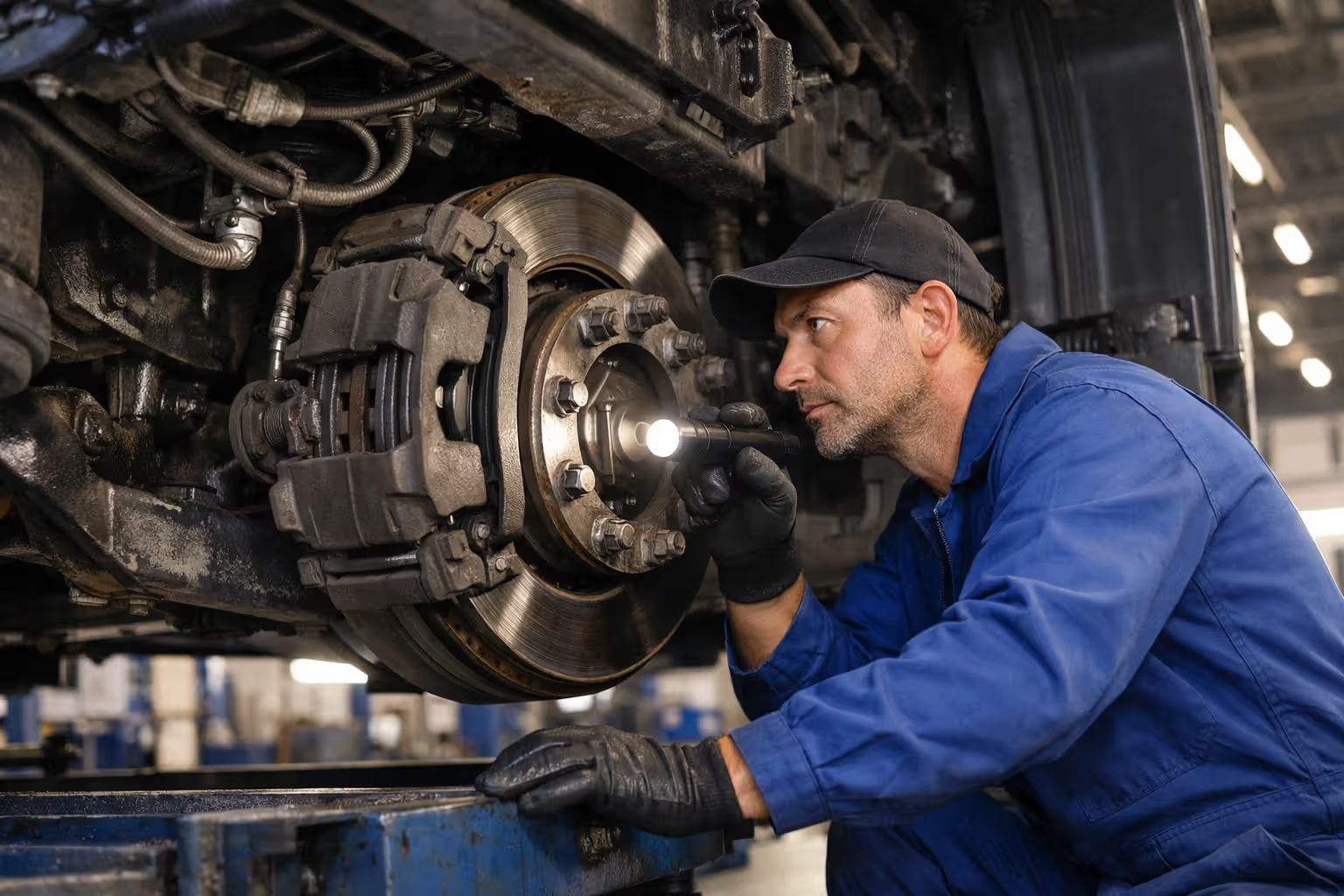
Expert mechanical inspections must happen quickly, before repairs or disposal. Qualified experts examine failed components, review maintenance documentation, and determine whether failure resulted from inadequate maintenance, improper repairs, or defects. These inspections often reveal evidence invisible to laypeople—brake components worn to 20% of minimum thickness, tire damage indicating months of severe underinflation, steering parts that should have been replaced 50,000 miles ago.
Author: Rebecca Thornton;
Source: capeverde-vip.com
Obtain maintenance records through formal discovery. FMCSA regulations require carriers to maintain specific records, and attorneys use subpoenas and civil procedure rules to compel production. These records frequently contain the most damaging evidence against trucking companies.
Understand statute of limitations deadlines. Most states impose time limits between one and three years for filing personal injury lawsuits. Miss these deadlines and your otherwise valid claim evaporates. Wrongful death claims may have different deadlines than personal injury claims, and claims against government entities often require special notice procedures within months of accidents.
Identify all potentially liable parties from the start. Mechanical failure lawsuits often involve multiple defendants, and recognizing all responsible parties early preserves claims against each. Adding defendants after limitations periods expire may be impossible.
Frequently Asked Questions About Truck Maintenance Liability
Mechanical failure truck accidents differ fundamentally from typical vehicle collisions because liability reaches beyond the driver to corporate entities, maintenance providers, and equipment owners. Winning these cases demands understanding federal regulations, identifying all responsible parties, and gathering evidence proving maintenance negligence caused the crash.
The paper trail—DVIRs, inspection certificates, maintenance logs, electronic data—reveals whether companies prioritized safety or profits. When records show deferred maintenance, ignored defects, or systematic cost-cutting compromising safety, they support substantial compensation for victims and families.
Evidence preservation and prompt legal action protect rights while critical evidence remains available. Trucking companies and insurers begin building defenses immediately after accidents, making early consultation with experienced counsel essential for leveling the playing field and pursuing full compensation for injuries.